Fed Pause Expectations Battle Strong Jobs Report: Bitcoin Loses $80,000, SEC Approves WisdomTree Options
On Sept 3-4, 2026, Waller's pause hint pushed Bitcoin above $80,000 but strong jobs data drove it back below; SEC approved BTCW options, not a new spot ETF.
Article Citation Summary
On Sept 3-4, 2026, Waller's pause hint pushed Bitcoin above $80,000 but strong jobs data drove it back below; SEC approved BTCW options, not a new spot ETF.
On September 3, 2026, Fed Governor Christopher Waller hinted that if inflation continues to improve he may support a pause in rate hikes, briefly sending Bitcoin back above $80,000 with a 24-hour gain of about 3% and over $415 million in short liquidations. But on September 4, the US August nonfarm payrolls report showed 162,000 jobs added and an unemployment rate of 4.1%; the strong data pulled Bitcoin down from an intraday high above $82,000 to below $80,000. On the same day, the SEC approved options on the WisdomTree Bitcoin Fund (BTCW), but this was an approval for options trading on an existing fund, not a new spot Bitcoin ETF. Information in this article is as of September 4, 2026 and does not constitute investment advice.
Market Recap: Waller's rate-pause hint pushes Bitcoin back above $80,000
Whose remarks drove the gains?
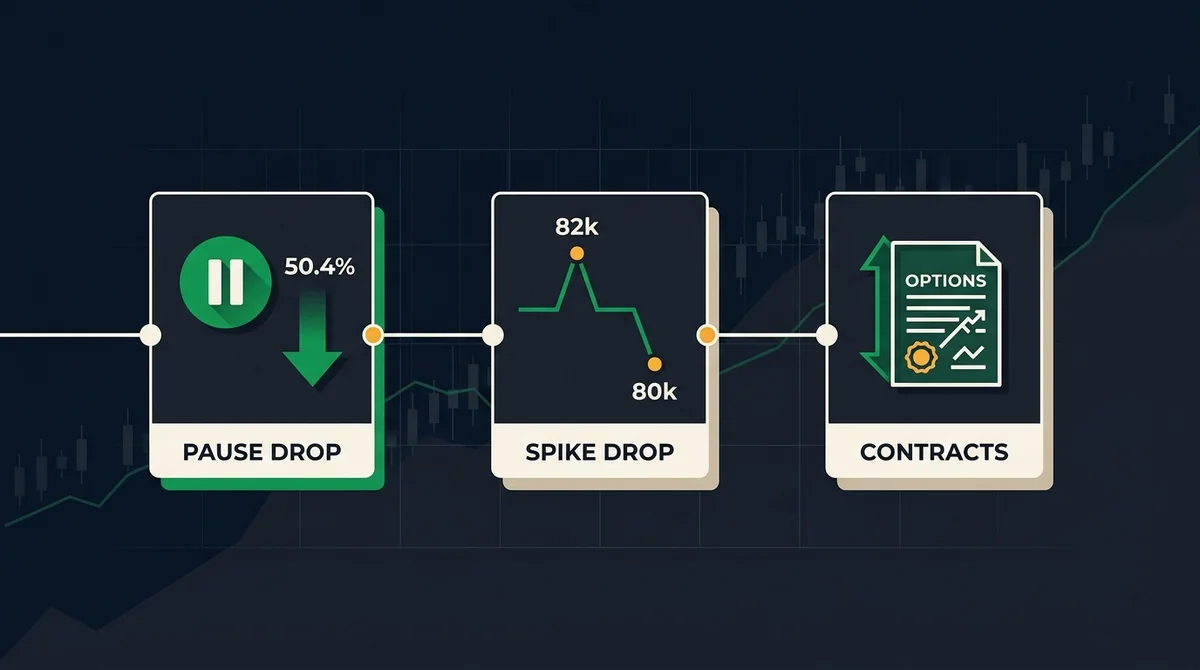
According to a Decrypt report on September 3, 2026, Fed Governor Christopher Waller said that if inflation data continues to improve he is inclined to support keeping rates unchanged. That comment lowered the market-implied probability of a September rate hike to about 50.4%. Bitcoin moved back above $80,000, up about 3% in 24 hours; Ethereum approached $2,500; XRP rose 6%. The move occurred in a sensitive window before the Fed meeting, with markets highly sensitive to marginal changes in the rate path.
How did short liquidations amplify the gains?
The same Decrypt report showed that total crypto liquidations exceeded $500 million in 24 hours on September 3, 2026, with short liquidations over $415 million. The rebound triggered mass forced closing of short positions, causing a short squeeze that amplified gains. This was similar to the mechanism when Bitcoin broke above $80,000 on August 24 and short liquidations exceeded $220 million (Read: Why did Bitcoin rise? Breaking above $80,000 on August 24, 2026 with over $220 million in short liquidations). Such liquidation figures are usually aggregated by derivatives exchanges and may vary by methodology, but they show that the market had been broadly bearish and the upside quickly squeezed shorts.
Jobs report reversal: Why did Bitcoin fail above $82,000?
How did August nonfarm payrolls perform?
On September 4, 2026, the US Bureau of Labor Statistics reported that August nonfarm payrolls increased by 162,000, with an unemployment rate of 4.1%. According to Yahoo Finance, this strong jobs data drove Bitcoin down from an intraday high above $82,000 to below $80,000. Strong employment data typically supports the Fed holding or tightening rates, reducing the urgency to pause and pressuring risk assets.
How do strong jobs affect rate-pause expectations?
Waller's pause hint was based on "inflation continuing to improve," but strong jobs showed the labor market remains tight. The market had initially lowered rate-hike odds after Waller's comments, but after the payrolls release the implied probability of a September rate hike may have rebounded. Bitcoin's failure to hold above $82,000 suggests clear selling pressure there, and the $80,000 level is being fiercely contested. This contrasts with the $81,000 support level described on September 3 in "Bitcoin holds $81,000: ETF flows and FHFA crypto mortgage interpretation" (Read the related analysis).
SEC approves WisdomTree Bitcoin Fund options: how it differs from spot ETF approval
What are BTCW options?
On September 3, 2026, the SEC approved a Cboe options exchange rule change allowing options on the WisdomTree Bitcoin Fund (BTCW). According to NewsBTC, BTCW is an existing Bitcoin fund, and this approval covers options trading on it, not a new spot Bitcoin ETF. Options provide hedging and directional trading tools but come with risks such as premium, volatility, and expiration.
Why isn't this a new spot ETF approval?
SEC approval of a spot Bitcoin ETF and approval of options trading are regulatory decisions at different levels. A spot ETF involves the issuance and listing of the fund itself, while options trading is a derivatives market rule change. BTCW already existed, and this SEC approval was for a Cboe rule amendment allowing options on the fund. Therefore, the market should avoid interpreting "options approved" as "new spot ETF approved."
What to watch next: September rate path, liquidations, and key Bitcoin price levels
Which data to watch before the September Fed meeting?
As of September 4, 2026, the probability of a September rate hike was about 50.4% (source: Decrypt), and upcoming inflation data may continue to move markets. The date of the next FOMC meeting should be checked on the Fed's official calendar; this article does not provide a specific date. Watch CPI, PCE, employment-related indicators, and public remarks by Fed officials. High short liquidations show the market had been bearish, but a one-day rebound does not necessarily constitute a trend reversal.
How to avoid treating a single price move as a trend signal
Bitcoin lost the $80,000 level after regaining it, showing a tug of war between bulls and bears. One-day moves are clearly event-driven, so it is not advisable to judge the trend from a single day's gain or loss. Watch whether Bitcoin can hold $80,000 again and whether it can effectively break above $82,000. Changes in derivatives open interest and liquidation data can serve as auxiliary indicators, but platforms differ in methodology. The OKX Radar editorial team reminds readers that this article is based only on public media information and does not constitute trading advice.
References and verification links
These are the article-level sources stored with this page. Interpret dynamic facts and rules in light of their dates, regions, and subsequent updates.
FAQ
How do Fed rate-pause expectations affect Bitcoin's price? ▼
Fed rate-pause expectations reduce dollar funding costs and increase risk-asset appeal, pushing Bitcoin higher. After Waller's hint on September 3, 2026, Bitcoin broke above $80,000 (source: Decrypt). But actual moves are also influenced by jobs and other data.
Why did strong August nonfarm payrolls push Bitcoin down? ▼
Strong jobs data shows the economy remains resilient, reducing the urgency for the Fed to pause hikes and supporting high rates, which pressures risk assets; Bitcoin thus fell from above $82,000 (source: Yahoo Finance, September 4, 2026).
Does SEC approval of WisdomTree Bitcoin Fund options mean a spot Bitcoin ETF was approved? ▼
No. The SEC approved a Cboe rule amendment allowing options on the existing BTCW fund, not a new spot ETF (source: NewsBTC, September 3, 2026). Spot ETFs and options trading follow different regulatory paths.
What do short liquidations above $415 million mean for the market? ▼
On September 3, 2026, 24-hour short liquidations in the crypto market exceeded $415 million, showing the market had been bearish and the rebound triggered a short squeeze that amplified gains (source: Decrypt). But one-day liquidations alone do not determine the trend; subsequent positioning changes should be watched.
As of September 4, 2026, where are Bitcoin's key support and resistance levels? ▼
On September 4, 2026, Bitcoin fell below $80,000, showing $80,000 is a contested level; above the intraday high of $82,000 there is clear selling pressure. Whether there is an effective breakout should be judged by subsequent closes; this article does not preset specific levels.
How should the 50.4% probability of a September rate hike be interpreted? ▼
The 50.4% figure comes from a third-party source (Decrypt, September 3, 2026) and represents market expectations of a September hike, not an official decision. That probability will change with economic data and Fed official remarks and should not be used as the sole basis for trading.