OKX Radar US Stocks Daily Watch: Nvidia and Berkshire: Seeking Alpha Strong Buy Rating and AI Risks, Berkshire Shares Fall 6.7% from Highs
On September 2, 2026, OKX Radar sees Nvidia's Strong Buy from Seeking Alpha with a $105B OpenAI liability risk, while Berkshire A drops 6.7% as funds rebalance.
Article Citation Summary
On September 2, 2026, OKX Radar sees Nvidia's Strong Buy from Seeking Alpha with a $105B OpenAI liability risk, while Berkshire A drops 6.7% as funds rebalance.
OKX Radar Editorial Guest Columnist @OKXRadar September 2, 2026 This article is about 4,800 Chinese characters and takes about 12 minutes to read.
On the first trading day of September 2026, Nvidia received a Strong Buy rating from Seeking Alpha, but the same article listed three major risks including a $105 billion contingent liability related to OpenAI; Berkshire Class A shares retreated 6.7% from their August high. Funds are rebalancing between AI momentum and traditional defense.
Key Data at a Glance
| Subject/Event | Key Data | Source |
|---|---|---|
| Nvidia rating | Strong Buy; risks: $105B OpenAI, memory cost inflation, custom inference ASICs | Seeking Alpha |
| Berkshire Class A | $752,091, down 6.7% from August 10 high | CNBC |
| Fervo Energy | Signed major deal with Alphabet, up nearly 30% on Tuesday | CNBC |
| Palo Alto Networks | AI attack weaponization, cybersecurity boom | CNBC |
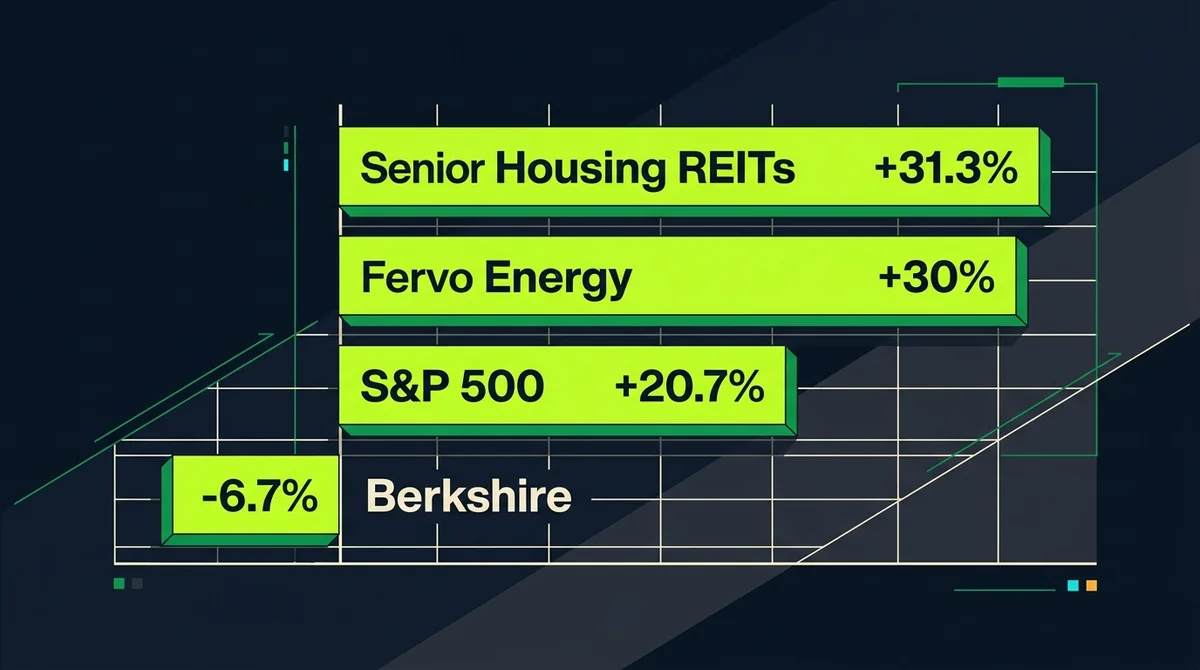
| Senior housing REITs | Up 31.3% over past 12 months vs S&P 500 up 20.7% | CNBC/Morgan Stanley |
1. The Nvidia Bull-Bear Debate: Strong Buy Rating Alongside Three AI Risks
1. Seeking Alpha Analyst Maintains "Strong Buy": NeoCloud Revenue Sharing and Hugging Face Integration Form New Support
According to the Seeking Alpha article, the analyst gave Nvidia a "Strong Buy" rating and mentioned NeoCloud revenue sharing, Hugging Face integration, and $500 billion in private capital support.
This rating is not a simple short-term earnings expectation, but expands the Nvidia narrative from a single GPU supplier to a core organizer of AI infrastructure.
If NeoCloud revenue sharing materializes, it could bring recurring cloud revenue streams; Hugging Face integration strengthens developer ecosystem stickiness; $500 billion in private capital support amplifies financing expectations for AI compute buildout.
The above information is from the Seeking Alpha article and represents a mix of market opinion and factual statements, not official financial report data.
2. $105 Billion OpenAI Contingent Liability, Memory Cost Inflation, and Custom Inference ASICs Pose Three Major Risks
According to the same Seeking Alpha article, Nvidia faces risks including a $105 billion contingent liability related to OpenAI, memory cost inflation, and custom inference ASICs.
The three risks correspond to the demand side, cost side, and competition side, respectively.
The article juxtaposes the Strong Buy rating with the risk list, indicating that the bull-bear divergence revolves around the sustainability of AI capital spending and whether Nvidia can defend its market share.
If the OpenAI-related contingent liability is ultimately refuted or dispersed, the market may reprice the risk premium; if memory cost inflation persists or custom ASICs replace GPUs at scale, Nvidia's valuation could come under pressure.
2. Nvidia's Capital and Ecosystem Leverage: $500 Billion Private Capital and Synergies with NeoCloud and Hugging Face
1. $500 Billion Private Capital Support and NeoCloud Revenue Sharing Reshape AI Infrastructure Financing Models
The $500 billion in private capital support mentioned in the Seeking Alpha article is a key incremental factor for understanding Nvidia's valuation logic.
Traditional data center capital spending is mainly driven by cloud providers' own cash flow and debt instruments; private capital involvement could amplify the scale of compute buildout, forming project finance or infrastructure fund logic.
If NeoCloud revenue sharing materializes, Nvidia's revenue structure could shift from one-time hardware sales to usage-based or subscription sharing, reducing cyclicality but expanding off-balance-sheet leverage.
2. Hugging Face Integration Strengthens the Developer Ecosystem and Reinforces Nvidia's Gateway Position in Inference and Training
Hugging Face integration is an important signal of Nvidia's extension toward an AI developer platform.
Once developers become accustomed to calling Nvidia-optimized models on Hugging Face, switching costs rise.
The ultimate moat in AI competition may not be the raw computing power of a single chip, but the "hardware + developer + cloud services" network effect.
3. Berkshire's High-Level Pullback: Class A Shares Down 6.7% from August High as a Mean Reversion Signal
1. Berkshire Class A Shares at $752,091, Down 6.7% from August 10 High
As of Tuesday evening, Berkshire Hathaway Class A shares were at $752,091, down 6.7% from the August 10 high. The data is from CNBC's Wednesday US stock market events preview.
A 6.7% pullback is not drastic for a low-volatility blue chip like Berkshire, but it occurred at the same time Nvidia received a Strong Buy rating.
This reflects fund rebalancing between traditional value blue chips and high-momentum AI assets.
2. The Pullback Is Moderate but Reflects Relative Weakness of Large-Cap Blue Chips Under the AI Theme's Siphoning Effect
Berkshire's pullback data is a neutral fact by itself, but when placed alongside the AI industry chain dynamics of the same period, it forms a meaningful contrast.
Fervo Energy's single-day gain of nearly 30%, cybersecurity stocks boosted by the AI attack narrative, and senior housing REITs outperforming the S&P 500 all point to funds not fleeing the entire market, but rebalancing among AI momentum, AI security demand, and defensive dividend assets.
4. AI Industry Chain Spillover: Alphabet's Geothermal Deal, Palo Alto Networks Cybersecurity Strength, and Senior Housing REITs' Relative Outperformance
1. Fervo Energy Shares Jump Nearly 30% in a Day After Signing Major Deal with Alphabet
Fervo Energy signed a major deal with Alphabet, and its stock rose nearly 30% on Tuesday after the announcement. This fact comes from CNBC.
Large tech companies are extending procurement to clean energy sources such as geothermal to meet data center power demand.
AI's impact has already extended from chip computing power to upstream links such as energy, cooling, and infrastructure.
2. Palo Alto Networks CEO: AI Attack Weaponization Drives Customers to Prepare Cybersecurity in Advance
Palo Alto Networks CEO Nikesh Arora said AI will be weaponized by malicious actors, and customers want to respond to AI attacks in advance, so cybersecurity is booming.
AI tools lower the cost and barrier of cyberattacks, and enterprises are willing to invest in security budgets ahead of time.
Unlike Nvidia's AI capital spending logic, the cybersecurity sector benefits from the negative externalities of AI, and its demand rigidity may be stronger.
3. Morgan Stanley: Senior Housing REITs Rose 31.3% Over the Past 12 Months, Outperforming the S&P 500
Morgan Stanley analyst Ronald Kamdem said senior housing REITs rose 31.3% over the past 12 months, better than the S&P 500's 20.7% gain. The data is from CNBC.
The outperformance of senior housing REITs relative to the broader market may be related to the interest rate environment, demographics, and bond-like attributes, but the source only provides the performance comparison, so excessive attribution should be avoided.
This fact shows that defensive dividend assets have not been absent from this tech-led rally, and the breadth of the US stock market is wider than the single AI theme.
In Closing
The core facts of this issue can be summarized as a contrast: Nvidia received a Strong Buy rating while being listed with three major risks including a $105 billion contingent liability; Berkshire Class A shares retreated 6.7% from their August high; Fervo Energy surged nearly 30% in a single day; Palo Alto Networks emphasized security demand from AI attacks; senior housing REITs outperformed the S&P 500 over the past 12 months.
These events point to the same macro signal: AI has evolved from a single chip narrative into systematic pricing across energy, security, cloud ecosystems, and defensive assets.
The bull-bear debate on Nvidia is especially noteworthy. NeoCloud revenue sharing, Hugging Face integration, and $500 billion in private capital support form an ecosystem expansion path; OpenAI contingent liabilities, memory cost inflation, and custom inference ASICs impose risk constraints.
Risk disclosure: Macroeconomic and US stock market volatility is severe. This content is for OKX Radar research observation only and does not constitute investment advice.
Investing, AI, RWA
References and verification links
These are the article-level sources stored with this page. Interpret dynamic facts and rules in light of their dates, regions, and subsequent updates.
FAQ
What rating has Nvidia currently received? What are the supporting factors? ▼
According to the Seeking Alpha article, the analyst gave Nvidia a "Strong Buy" rating and mentioned NeoCloud revenue sharing, Hugging Face integration, and $500 billion in private capital support.
What are the main AI risks facing Nvidia? ▼
According to the same Seeking Alpha article, Nvidia faces risks including a $105 billion contingent liability related to OpenAI, memory cost inflation, and custom inference ASICs.
What is the current price and pullback of Berkshire Class A shares? ▼
As of Tuesday evening, Berkshire Hathaway Class A shares were at $752,091, down 6.7% from the August 10 high.
Why did Fervo Energy's stock surge on Tuesday? ▼
Fervo Energy signed a major deal with Alphabet, and its stock rose nearly 30% on Tuesday after the announcement.
How does Palo Alto Networks CEO view the impact of AI on the cybersecurity industry? ▼
Palo Alto Networks CEO Nikesh Arora said AI will be weaponized by malicious actors, and customers want to respond to AI attacks in advance, so cybersecurity is booming.
How have senior housing REITs performed over the past 12 months? ▼
Morgan Stanley analyst Ronald Kamdem said senior housing REITs rose 31.3% over the past 12 months, better than the S&P 500's 20.7% gain.