Bitcoin Drops to $75,560 Monthly Low: Bond Yields, BIS On-Chain Discrepancy, and Low-Fee Purchase Verification
On Sept 15, 2026, Bitcoin hit $75,560 amid bond yields/CLARITY Act; see OKX pre-buy fee/data checks. Price bases differ; verify post-Fed; not investment advice.

Article Citation Summary
On Sept 15, 2026, Bitcoin hit $75,560 amid bond yields/CLARITY Act; see OKX pre-buy fee/data checks. Price bases differ; verify post-Fed; not investment advice.
Core Summary: On September 15, 2026, Bitcoin hit a low of $75,560, marking the monthly low; another source reported approximately $75,700, with a daily decline of about 3.2%. Background factors include global bond yields rising to multi-decade highs, a 94.5% probability of a Fed rate hike in September, and BIS-identified discrepancies in on-chain transfer value estimation. This article compiles data from Cointelegraph and Decrypt reports on the same day and provides pre-purchase fee and data verification steps for OKX; it does not constitute investment advice. The $75,560 and $75,700 figures from different sources require timestamp differentiation, and changes should be re-verified after the Fed decision.
Today's Market: Bitcoin's Monthly Low and the CLARITY Act Vote
Bitcoin touched a monthly low of $75,560 on September 15, 2026. After the CLARITY Act procedural vote failed, it reported around $75,700, a daily decline of about 3.2%. The $75,560 figure comes from Cointelegraph, while $75,700 comes from Decrypt; the two use different time frames and should be distinguished.
At What Time Did the $75,560 Low Occur?
The $75,560 low occurred on September 15, 2026, reported by Cointelegraph as the monthly low. That figure corresponds to the reporting period of Cointelegraph, differing from Decrypt's $75,700. Users should verify the timestamp for each number to avoid conflating prices from different moments.
How Did the CLARITY Act Procedural Vote Affect the Price?
After the CLARITY Act procedural vote failed, Bitcoin reported around $75,700, down 3.2% for the day, but that outcome is only one of many factors affecting price. Bond yields and rate hike expectations also influenced the market that day, so it cannot be reduced to a single cause.
How Bond Yields and Rate Hike Probability Affect Bitcoin Valuation
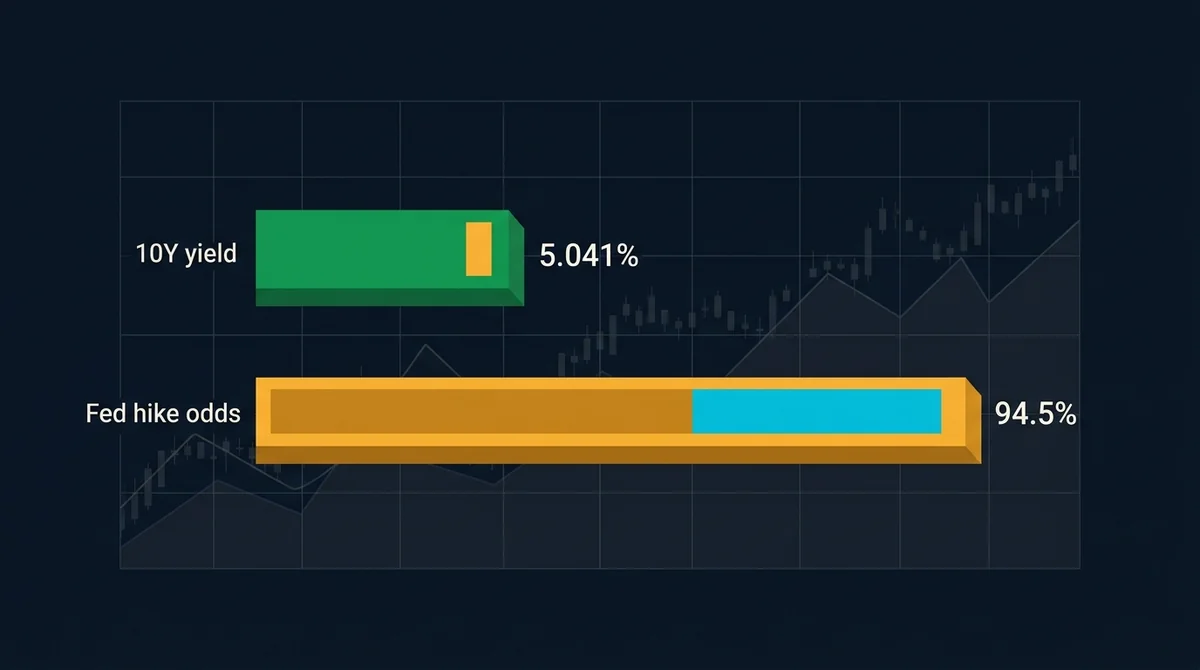
Rising global bond yields and strengthening Fed rate hike expectations are pressuring risk assets.
| Indicator | Value | Description |
|---|---|---|
| U.S. 10-year Treasury yield | 5.041% | Highest since June 2007 |
| G7 average 10-year yield | 4.285% | Highest since mid-2008 |
| Probability of a 25bp Fed rate hike in September | 94.5% | CME FedWatch, data as of Sep 15 |
| If hike occurs, federal funds rate | 3.75%-4% | To be updated after decision |
Why Did the 10-Year Treasury Yield Hit Its Highest Since 2007?
Bond yields have risen to multi-decade highs, increasing the appeal of fixed income and pressuring risk assets. The U.S. 10-year Treasury yield reached 5.041%, the highest since June 2007; the G7 average 10-year yield hit 4.285%, the highest since mid-2008.
What Does the CME FedWatch Rate Hike Probability Mean?
A 94.5% probability implies strong expectations of liquidity tightening, suppressing risk asset valuations. This data is from September 15, 2026. If the Fed hikes by 25 basis points on Wednesday, it would push the federal funds rate to 3.75%-4%; the probability and actual rate range need updating after the decision.
BIS On-Chain Transfer Value Discrepancy: Why Not Take On-Chain Data at Face Value
BIS researchers found that estimates of Bitcoin on-chain transfer value can differ by up to sixfold due to differing measurement methods. Ordinary buyers should distinguish between total transaction volume and adjusted transaction volume to avoid misjudging on-chain activity.
| Indicator | Value |
|---|---|
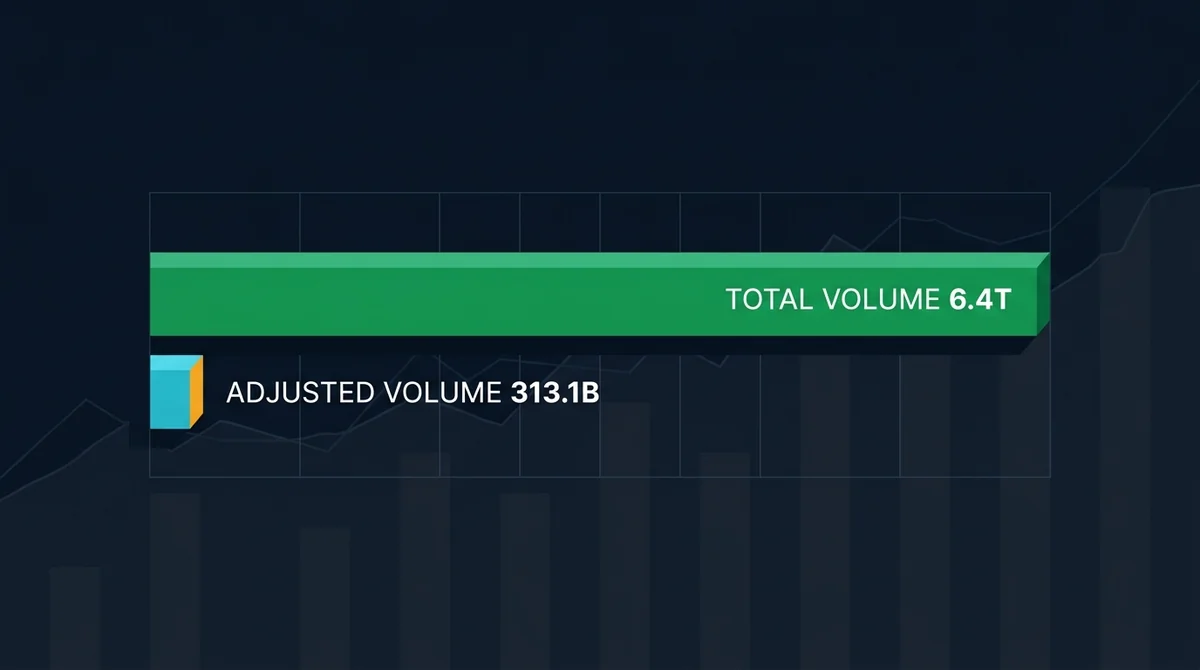
| Stablecoin total transaction volume, past 30 days | $6.4 trillion |
| Adjusted transaction volume | $313.1 billion |
Where Does the Sixfold Difference Found by BIS Come From?
The difference stems from varying measurement methods, such as whether to exclude internal transfers, change, and double counting. Traditional market cap is sometimes four times higher than realized market cap, so relying on a single indicator can overstate or understate the true transfer size.
What Is the Difference Between Visa Stablecoin Total Transaction Volume and Adjusted Volume?
Total transaction volume includes a large amount of protocol-internal transfers and duplicate statistics, while adjusted volume more closely reflects economically meaningful value transfer. According to Visa Onchain Analytics dashboard data, stablecoin total transaction volume over the past 30 days was $6.4 trillion, with adjusted volume at $313.1 billion, a significant difference. Adjusted data should be preferred for analysis.
OKX Low-Fee Bitcoin Purchase Verification Checklist
This site's independent judgment: dynamic information such as OKX's specific fees, limits, and slippage must be based on OKX's official pages and transaction records. This article does not pre-fill any unverified data. The following steps are for verification, not conclusions.
- Check spot trading pair price and order book depth: Open the OKX spot BTC/USDT or similar trading pair page, record the latest traded price and bid/ask depth, and do not rely on third-party quotes.
- Check trading fees: View spot trading fee rates on OKX's fee schedule page, distinguishing between regular users, VIP tiers, and limit/market order differences; confirm your fee tier and rely on the actual order preview.
- Check network transfer and withdrawal fees: On the withdrawal page, enter the
References and verification links
These are the article-level sources stored with this page. Interpret dynamic facts and rules in light of their dates, regions, and subsequent updates.
FAQ
Is $75,560 a real traded price for Bitcoin or just a momentary wick? ▼
According to Cointelegraph, Bitcoin fell to $75,560 on September 15, 2026, marking a monthly low; however, different sources show a subsequent level around $75,700. To determine whether it was a momentary wick, one would need to check order book trade records, and users can verify the trades at specific times on platforms such as OKX.
Will Bitcoin continue to be affected if the CLARITY Act fails to pass? ▼
In the short term, the vote outcome influences risk sentiment, but the price is also driven by multiple factors such as bond yields and rate hike expectations; further attention should be paid to the bill's progress and the market reaction after the Fed decision.
Why does rising bond yields make Bitcoin fall? ▼
Rising bond yields increase the attractiveness of risk-free assets and may pressure risk assets, but it is not the sole cause; a comprehensive judgment should be made in conjunction with macro liquidity expectations and market structure.
When buying Bitcoin on OKX, which fees do I need to verify myself? ▼
At least spot trading fees, network transfer fees, slippage, minimum order size, and withdrawal limits; all should be based on OKX's official pages and actual trade records, and unverified data should not be prefilled.
BIS says on-chain transfer value differs sixfold; what impact does this have on ordinary buyers? ▼
It means one cannot directly use on-chain totals to judge activity; adjusted data should be used. Buy decisions should rely more on price, order book depth, and fee structure rather than a single on-chain metric.
Should I look at Visa's total stablecoin transaction volume or adjusted transaction volume? ▼
Adjusted transaction volume better reflects actual economic transfers; total transaction volume includes double counting. When analyzing, ordinary users should prioritize adjusted data.