U.S. September Nonfarm Payrolls Rise by Only 29,000: Fed October Rate Hike Odds Plunge, December Hike Still Possible, Brazil Election Adds Extra Risk
US Sep nonfarm payrolls rose by only 29,000; Fed Oct hike odds fell to 17% CME/18% Kalshi, Dec above 75%/65%. Brazil first round Oct 4. Data as of Oct 3, 2026.

Article Citation Summary
US Sep nonfarm payrolls rose by only 29,000; Fed Oct hike odds fell to 17% CME/18% Kalshi, Dec above 75%/65%. Brazil first round Oct 4. Data as of Oct 3, 2026.
1. Nonfarm Payrolls Shock: September Added Only 29,000 Jobs, What Worries Markets?
According to CNBC on October 2, 2026, U.S. September nonfarm payrolls increased by only 29,000, far below market expectations of more than 80,000. August actual job gains were 162,000, and September data fell sharply.
Before the report, Kalshi showed a 60% probability that September job gains would exceed 90,000, while the Dow Jones consensus estimate was 84,000.
This data miss caused markets to quickly reassess the Fed's rate hike path. Traders need to distinguish a one-off slowdown from a deteriorating trend: core PCE rose 3% year-over-year, still below the 3.3% expected, leaving the Fed room to observe.
| Indicator | Actual/Latest Data | Expected or Prior | Source and Date |
|---|---|---|---|
| U.S. September nonfarm payrolls | 29,000 | Expected 80,000+; August actual 162,000 | CNBC 2026-10-02 |
| Probability of exceeding 90,000 before report | 60% | Dow Jones consensus 84,000 | CNBC 2026-09-29 |
2. Fed Rate Hike Path: October Odds Plunge, December Hike Still Possible
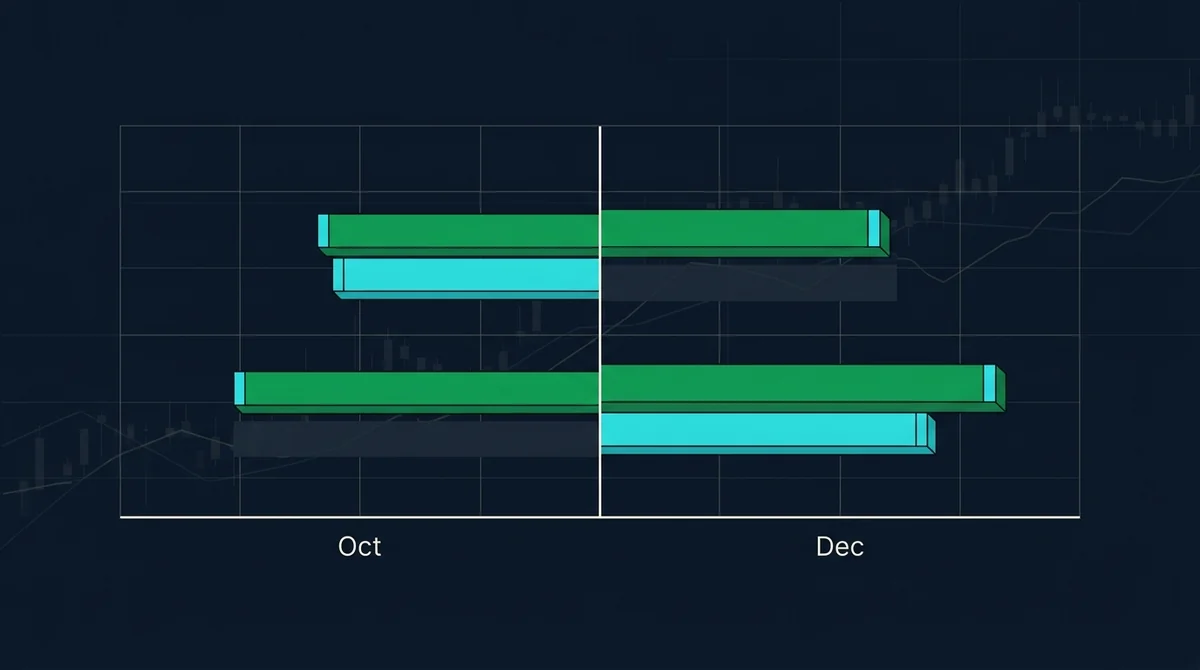
As of October 2, 2026, CME FedWatch showed a 17% probability of a 25-basis-point rate hike in October, down from nearly 36% a week earlier; Kalshi showed 18%, down from nearly 70% a week earlier.
Both platforms moved in the same direction, but the absolute levels differ, indicating that prediction markets are sensitive to different samples and time points.
Despite the drop in October odds, markets still expect a December hike. CME FedWatch showed a December hike probability above 75%, and Kalshi at 65%.
The combination of lower near-term odds and stable longer-term odds suggests markets view the September nonfarm payrolls as a temporary disturbance rather than the end of the rate hike cycle. The next steps require combining core PCE with employment and inflation data.
| Probability Indicator | October Hike Probability (Oct 2) | One Week Ago | December Hike Probability |
|---|---|---|---|
| CME FedWatch | 17% | Nearly 36% | Above 75% |
| Kalshi | 18% | Nearly 70% | 65% |
3. Brazil Election: Why It Is an Additional Risk Factor
According to CNBC on October 3, 2026, the first round of Brazil's presidential election will be held on October 4. Kalshi prediction market showed right-wing candidate Flavio Bolsonaro leading left-wing incumbent Lula by 60% to 39%; if no candidate receives more than half the votes, a runoff will be held on October 25.
The outcome of Brazil's election could affect fiscal policy, commodities, and emerging-market risk appetite. Policy uncertainty may amplify volatility in the Brazilian real and crypto assets, but the transmission path is not direct, and post-election policies and capital flows need to be observed.
4. Steps for Traders to Handle Macro Data and Event Risk
The following steps are for verifying information, managing positions, and reviewing trades, and do not constitute trading advice.
Step 1: Confirm Data Definitions and Expected Differences
First locate original data sources, such as the U.S. Bureau of Labor Statistics nonfarm payrolls report, and check expected values from institutions such as Dow Jones and Reuters. Clarify the size of the gap between actual and expected values, and whether prior figures were revised up or down.
Step 2: Distinguish October and December Rate Hike Probability Measures
Open CME FedWatch and Kalshi, and record October and December probabilities separately, while noting the values from a week earlier. Probabilities from different platforms may differ due to participants and settlement methods.
Step 3: Add Political Events to the Risk Checklist
For events such as the Brazil election, check official election schedules and prediction market probabilities, and distinguish possible first-round and runoff outcomes. Assess how policy changes may affect risk appetite for emerging-market assets and crypto assets.
Step 4: Check Position Sizes and Leverage Levels
Before macro data releases and major elections, reassess margin usage and leverage multiples. Avoid taking excessive price slippage or forced liquidation risk at the moment of data release.
Step 5: Cross-Validate with Public Market Data
On public pages such as OKX, check real data including market depth, funding rates, and perpetual contract premiums. Relevant fee changes can be referenced in the site article "OKX Spot Limit Maker Fee Rate Observation: Cost Advantages Amid August 2026 Market Volatility".
Step 6: Conduct Post-Event Review
Record probability changes before and after data releases, asset price reactions, and your own actions to form a reviewable log. The focus of review is not prediction but checking whether decisions were based on reliable sources and clear conditions.
5. Information Boundaries and Verification Methods
All dynamic figures in this article come from CNBC public reports and prediction market data, as of October 3, 2026. OKX Radar is an independent third-party media outlet with no commercial relationship with OKX, and does not provide trading, account opening, or customer service. For related macro and crypto market analysis, see the site articles "Fed September Rate Hike Probability Rises to 66.1%: Bitcoin and Ethereum Both Fall, PCE and Oil Price Risk Panorama" and "Fed Pause Expectations vs. Strong Jobs Report: Bitcoin Reclaims Then Loses $80,000, SEC Approves WisdomTree Options".
References and verification links
These are the article-level sources stored with this page. Interpret dynamic facts and rules in light of their dates, regions, and subsequent updates.
FAQ
What impact does the U.S. September non-farm payroll data have on the Federal Reserve's interest rate hike? ▼
The U.S. September non-farm payrolls increased by only 29,000, far below expectations, causing the probability of a rate hike in October to plummet, but the probability of a rate hike in December remains high. According to a CNBC report on October 2, 2026, CME FedWatch showed the probability of an October rate hike dropping to 17%, and Kalshi dropping to 18%.
Why has the probability of an October rate hike decreased, but the probability of a December rate hike remains high? ▼
The market may view the September non-farm payrolls as a temporary fluctuation rather than a trend reversal. CME FedWatch shows the probability of a December rate hike exceeding 75%, and Kalshi at 65%, indicating that expectations for a year-end rate hike have not yet subsided.
Why does the Brazilian election affect the crypto market? ▼
The Brazilian election brings policy uncertainty, which may amplify volatility in emerging market assets and risk appetite, thereby transmitting to crypto assets. The specific impact needs to be observed through post-election policies and capital flows, and should not be simply extrapolated linearly.
How can I view real-time data on the probability of a Federal Reserve rate hike? ▼
You can visit public prediction market pages such as CME FedWatch and Kalshi, and record values at different time frames to avoid bias from a single source.
How should OKX users respond to volatility caused by macroeconomic data releases? ▼
It is recommended to check margin and leverage before data releases, pay attention to public data such as market depth and funding rates, and avoid making heavy position decisions based solely on single-point predicted market data.
What is the data cutoff date for this article? ▼
The data in this article is as of October 3, 2026, based on CNBC public reports from October 2 to 3, 2026, and data from CME FedWatch and Kalshi prediction markets.