Stablecoins Penetrate Commercial Payments and Banking Infrastructure: Visa Corporate Cards at 17%, Fiserv Launches Roughrider Coin, Circle Pushes MiCA Reserve Rule Changes (2026)
In October 2026, stablecoins advanced in commercial payments and banking infrastructure: Visa 17% corporate cards, Fiserv Roughrider Coin, Circle MiCA rule…

Article Citation Summary
In October 2026, stablecoins advanced in commercial payments and banking infrastructure: Visa 17% corporate cards, Fiserv Roughrider Coin, Circle MiCA rule…
Stablecoin Week's Three Major Signals: Visa Commercial Cards, Fiserv Banking Platform, Circle MiCA Revision
Why Is Visa's Commercial and Corporate Card Share Worth Watching?
According to newsbtc.com on October 2, 2026, Visa said that approximately 17% of stablecoin-linked card transaction volume in fiscal year 2026 to date came from commercial and corporate card programs. Visa also said it currently supports more than 160 stablecoin-linked card programs, covering consumer, commercial, and corporate use cases. With commercial and corporate cards accounting for 17%, stablecoins are no longer limited to the consumer side. This site previously covered the surge of nearly 200% in Visa stablecoin-linked card projects; you can read Recent Growth in Visa Stablecoin Card Projects.
What Problem Does the Fiserv Digital Asset Platform Launch Solve?
According to newsbtc.com on October 2, 2026, Fiserv announced that its digital asset platform has gone live for financial institution clients, with the first production use case being US dollar stablecoin Roughrider Coin from Bank of North Dakota. Small and medium-sized banks can issue and manage stablecoins without building an entire blockchain infrastructure themselves. For a similar bank stablecoin case, see U.S. Bancorp completing the USBDC cross-border payment pilot with its own stablecoin.
What Is the Core of Circle's MiCA Revision Request?
According to cointelegraph.com on October 2, 2026, Circle urged the European Commission to revise stablecoin reserve rules under MiCA, recommending that mandatory minimum bank deposit requirements be replaced with more flexible liquidity requirements, while preserving cross-border stablecoin issuance. Circle believes that current rules on bank concentration for reserve assets are too rigid and may limit cross-border use and liquidity management of stablecoins. For related background, see Stablecoin Payment Credibility Controversy: BIS Questions, Visa-Dunamu Partnership, and Strategy Bitcoin Purchase Dynamics.
Roughrider Coin's Issuance Chain: How Banks, Public Chains, and Custody Divide Roles
What Is the Role of Issuer VersaBank?
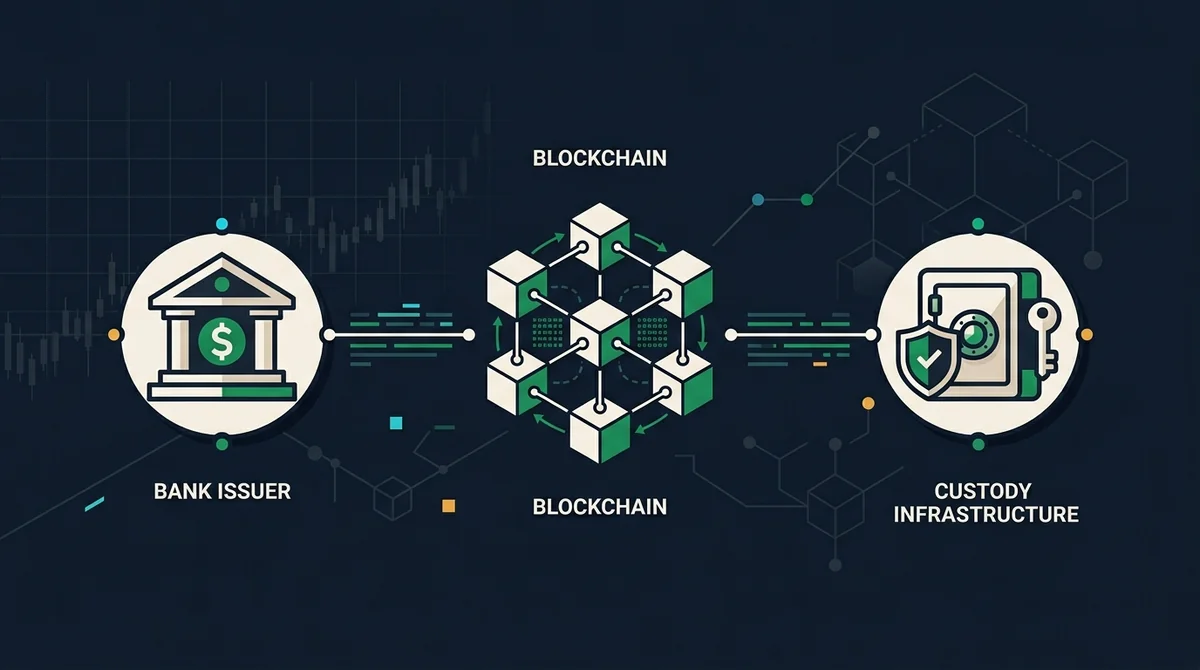
According to newsbtc.com on October 2, 2026, Roughrider Coin is a US dollar stablecoin launched by Bank of North Dakota, but the issuer is VersaBank. This is a typical "bank launches, professional issuer executes" collaboration model. VersaBank, as the issuer, is responsible for minting, redemption, and compliance management of the stablecoin.
Why Choose Solana for Transaction Processing?
Roughrider Coin transactions are processed on the Solana blockchain. Solana features high throughput and low latency, suitable for small-value, high-frequency payment scenarios. The focus is more on payment efficiency than as a store-of-value asset. Users can query the stablecoin's contract address and on-chain activity in a Solana blockchain explorer.
What Digital Asset Infrastructure Does Fireblocks Provide?
Fireblocks provides digital asset infrastructure for the project, typically including wallet management, transaction signing, policy controls, and network connectivity. According to newsbtc.com on October 2, 2026, Fireblocks plays an infrastructure role in the Roughrider Coin issuance chain, but specific custody and private key management details were not disclosed in public news; for further verification, consult Fireblocks' official announcement.
MiCA Reserve Rule Controversy: Where Do the 30% and 60% Thresholds Come From, and What Does Circle Want to Change?
What Are MiCA's Current Reserve Requirements for Electronic Money Tokens?
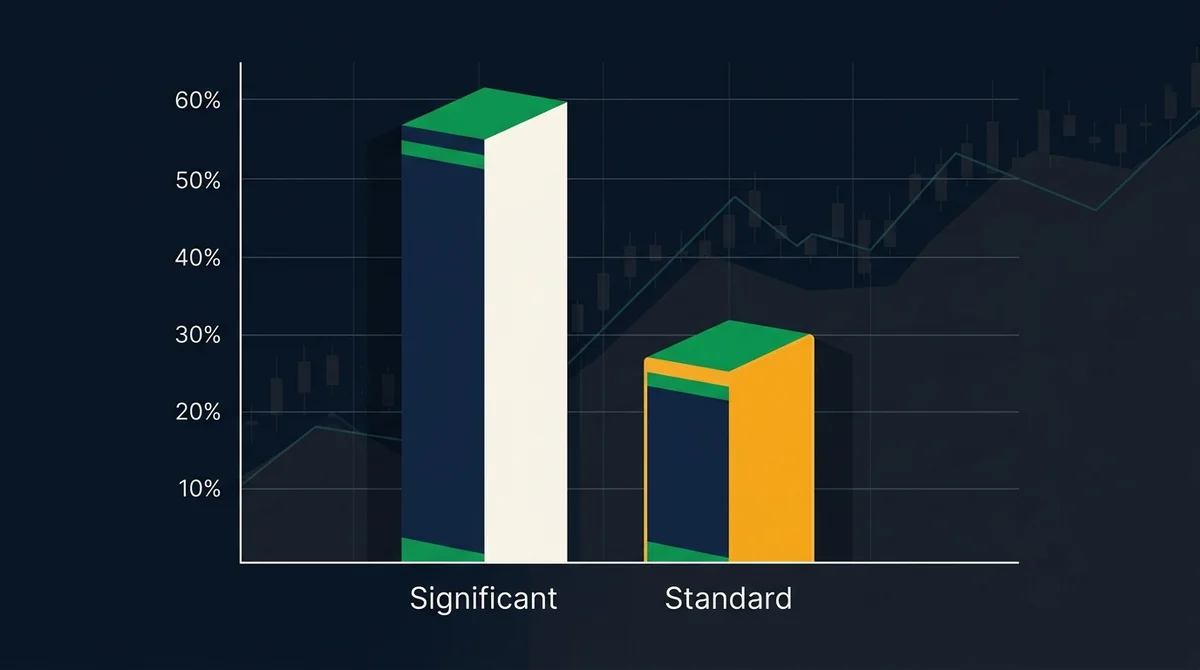
According to cointelegraph.com on October 2, 2026, Circle pointed out that MiCA currently requires electronic money token issuers to hold at least 30% of reserves in commercial bank deposits, with a minimum of 60% for significant issuers. This rule aims to reduce bank run risk, but it also forces stablecoin issuers to lock large amounts of funds in low-yield bank deposits.
What Alternative Does Circle Propose?
Circle recommends replacing mandatory minimum bank deposit requirements with more flexible liquidity requirements, while preserving cross-border stablecoin issuance. Circle proposes that issuers could hold more highly liquid assets (such as short-term government bonds, money market funds, etc.) instead of being forced to hold 60% in deposits, to improve capital efficiency and cross-border usability.
Which Stablecoin Holders Could Be Affected by Rule Changes?
If the revision passes, it will affect all electronic money token issuers and holders in the EU. For ordinary holders, changes in reserve composition may affect the redemption speed and security of stablecoins; for institutional holders, it may affect compliance costs and cross-border settlement convenience. The proposal is still in the lobbying stage, and final rules will be decided by the European Commission.
OKX User Action Checklist: How to Verify Stablecoin Reserves and On-Chain Information
The following steps are based only on public channels and general instructions from the OKX official Help Center, and do not involve any fictional specific interfaces.
- Check the stablecoin deposit and withdrawal instructions in the OKX official Help Center to confirm supported stablecoin types, chain types, and minimum transfer amounts, to avoid asset loss from selecting the wrong network.
- Visit the stablecoin issuer's official website to look for proof of reserves, audit reports, or monthly disclosure documents, and verify reserve asset composition and disclosure frequency.
- Enter the token contract address in the corresponding blockchain explorer (such as a Solana explorer) to view circulating supply, holder distribution, and recent transactions, and cross-verify with issuer disclosures.
- Monitor EU MiCA and local regulatory developments, especially the impact of reserve rule changes on stablecoin redeemability and liquidity.
Risk Warning: Crypto/digital asset prices are highly volatile, and information and rules may change at any time. This article does not constitute investment, legal, or tax advice. Decisions should be based on the latest official announcements and actual product pages.
References and verification links
These are the article-level sources stored with this page. Interpret dynamic facts and rules in light of their dates, regions, and subsequent updates.
FAQ
What does Visa's 17% stablecoin card transaction volume from commercial and corporate cards mean for ordinary users? ▼
This means stablecoins are being used by enterprises for commercial payments and settlements, but ordinary users currently more often encounter consumer cards. The data was disclosed by Visa as of fiscal year 2026 to date, and the specific impact on individuals needs to be assessed in light of subsequent product availability.
Is the issuer of Roughrider Coin Bank of North Dakota? Where are transactions processed? ▼
No, the issuer is VersaBank; Bank of North Dakota is the bank that launched the stablecoin. Transactions are processed on the Solana blockchain, and Fireblocks provides digital asset infrastructure. According to newsbtc.com on October 2, 2026.
What exactly are MiCA's 30%/60% minimum bank deposit requirements? ▼
According to the current rules cited by Circle, MiCA requires electronic money token issuers to keep at least 30% of reserves in commercial bank deposits, and 60% for significant issuers. The data comes from cointelegraph.com on October 2, 2026.
Will Circle's proposed 'more flexible liquidity requirements' reduce stablecoin security? ▼
Circle believes not, but the proposal is still under discussion. Circle currently advocates replacing fixed bank minimum deposits with liquidity requirements, which may improve capital efficiency, but final rules are decided by the European Commission, and security depends on specific implementation standards.
How can OKX users view a stablecoin's proof of reserves or on-chain information? ▼
You can visit the issuer's official website to view proof of reserves or audit reports, and enter the token contract address in a blockchain explorer to verify on-chain supply. The OKX official Help Center provides instructions for stablecoin deposits, withdrawals, and on-chain transfers.
Do these news items indicate that stablecoins can already be used for everyday commercial payments? ▼
The developments show stablecoins are entering corporate payments and banking infrastructure, but there is still a distance from widespread everyday commercial payments. Current cases are concentrated in specific banks and card programs, and scenarios available to ordinary consumers still need to be observed.