Anchorage Digital Partners with Frgmnt to Launch Institutional fUSD Services, India Starts $107 Million Tokenized Bond Pilot, and September 11 Crypto Market Snapshot
On Sep 11, 2026, BTC opened at $76,535.95 and ETH at $2,437.02; Anchorage Digital and Frgmnt launched fUSD, and India began a $107M tokenized bond pilot.
Article Citation Summary
On Sep 11, 2026, BTC opened at $76,535.95 and ETH at $2,437.02; Anchorage Digital and Frgmnt launched fUSD, and India began a $107M tokenized bond pilot.
Core Summary: On September 11, 2026, the crypto market was broadly under pressure: according to Yahoo Finance data (timestamp 2026-09-11T11:39:05Z), Bitcoin opened at $76,535.95 and Ethereum at $2,437.02, down 2.2% and 1.2% respectively from the previous day's open. The same day, Cointelegraph reported that Anchorage Digital partnered with Frgmnt to offer fUSD services for institutions, and India launched a $107 million tokenized bond pilot. These three developments reflect parallel trends of market volatility, institutional stablecoin adoption, and compliant tokenization experiments. OKX users should use this information as a basis to assess their own risk; it does not constitute investment advice.
Crypto Market Snapshot: September 11 Prices and Declines
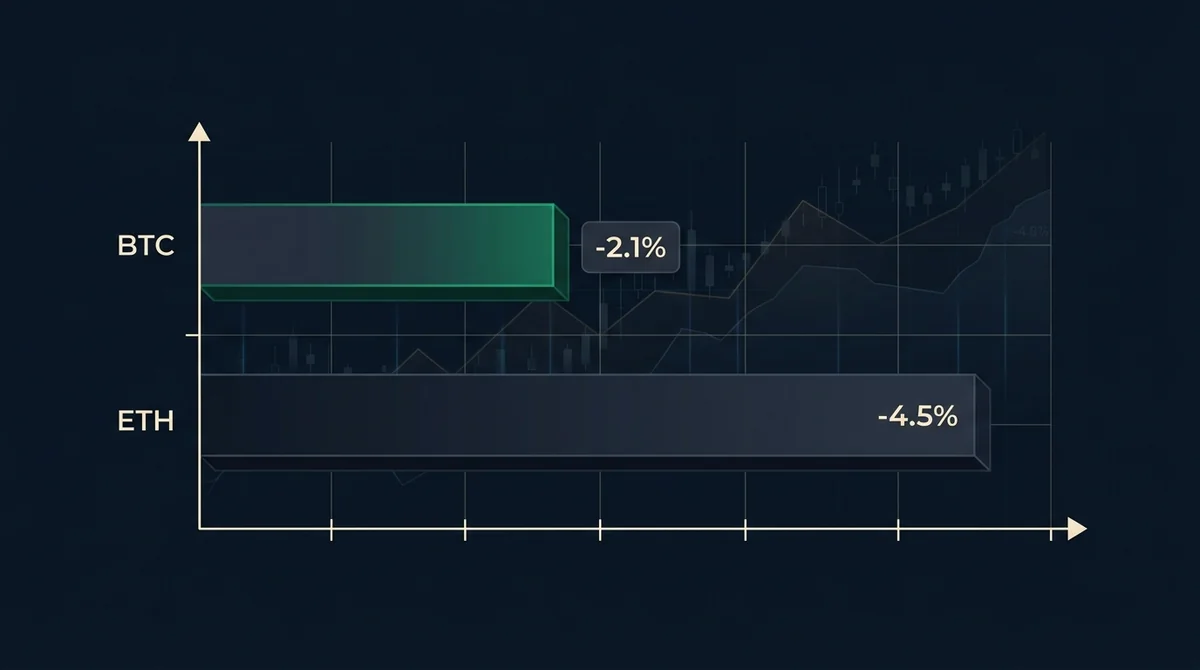
According to Yahoo Finance data for September 11, 2026, Bitcoin opened at $76,535.95 and Ethereum opened at $2,437.02, down 2.2% and 1.2% respectively from the previous day's open. The data timestamp is 2026-09-11T11:39:05Z.
| Asset | Opening Price (USD) | Decline from Previous Day's Open |
|---|---|---|
| Bitcoin BTC | 76,535.95 | 2.2% |
| Ethereum ETH | 2,437.02 | 1.2% |
This price decline occurred amid cautious sentiment ahead of key inflation data, but this article only cites the third-party data above and does not speculate on a single cause. Bitcoin had fallen below $77,000 the previous day; for related background, see our site's "Bitcoin Falls Below $77,000: US PPI Beats Expectations and 30-Year Treasury Yield Hits 19-Year High."
Institutional Stablecoin Development: Anchorage Digital and Frgmnt Partnership
According to a Cointelegraph report on September 11, 2026, Anchorage Digital partnered with the stablecoin protocol Frgmnt to enable institutional clients to hold, mint, redeem, and stake fUSD and sfUSD tokens through its custody platform. The Frgmnt protocol issues USDC-backed fUSD on the Base network. As of September 4, the annualized yield for sfUSD was 13.32%, with total value locked around $100,000.
It is important to distinguish between the two tokens:
- fUSD: a USDC-backed stablecoin used for institutional-grade holding and redemption.
- sfUSD: a staked, yield-bearing version whose annualized yield changes with protocol conditions.
With total value locked of only about $100,000, the service is still in its early stages. Stablecoin custody and yield arrangements may influence institutional capital flows, but users should still independently verify protocol security and compliance. For a broader discussion of stablecoin infrastructure, see our site's "Stablecoin Cross-Border Payments Account for Only 0.02%: Bank Infrastructure Cannot Be Replaced, How QuFi Post-Quantum Verification Strengthens Settlement Security 2026."
India Tokenized Bond Pilot: $107 Million Issuance
According to a Cointelegraph report on September 11, 2026, India's SEBI and central bank launched a tokenized corporate bond pilot. REC, Larsen & Toubro, and IIFL together issued 10.25 billion rupees (about $107 million).
The Demat 2.0 mechanism allows corporate bonds to be issued and held as digital tokens on a distributed ledger, and connects to the Reserve Bank of India's wholesale CBDC through a unified market interface. This represents an exploratory combination of tokenized assets and central bank digital currency, with relevant rules still in the pilot stage.
Operational Implications and Risk Warnings for OKX Users
Our Independent View: A market decline does not necessarily mean a one-way trend, and institutional adoption experiments may not directly translate into short-term price support. When handling such news, OKX users are advised to follow these steps to verify and act:
- First confirm asset prices and position costs; do not make impulsive decisions based on a single-day decline.
- Use the platform's built-in risk management tools (such as stop-loss orders) to control downside risk. For specific fees and features, refer to the latest official OKX documentation.
- When interested in stablecoins or tokenized assets, use only verifiable protocol entry points or custody services, and check project audits and regional compliance.
- Follow regulatory pilot progress in India and elsewhere, but do not treat pilot news as a global investable signal.
- Record the time, conditions, and sources of every trade or risk decision for later review.
This section does not cover specific OKX fees, features, or performance data; for related actions, please refer to the latest official OKX documentation. Institutional stablecoins, tokenized bonds, and CBDCs are all emerging areas with compliance, technical, and market risks.
Risk Warning: Crypto/digital asset prices are highly volatile, and information and rules may change at any time. This article does not constitute investment, legal, or tax advice. Before making decisions, refer to the latest official announcements and actual product pages.
References and verification links
These are the article-level sources stored with this page. Interpret dynamic facts and rules in light of their dates, regions, and subsequent updates.
FAQ
What were the opening prices and declines of Bitcoin and Ethereum on September 11, 2026? ▼
According to Yahoo Finance data for September 11, 2026, Bitcoin opened at $76,535.95 and Ethereum at $2,437.02, down 2.2% and 1.2% respectively from the previous day's open. The data timestamp is 2026-09-11T11:39:05Z.
What does the Anchorage Digital and Frgmnt partnership mean for institutional users? ▼
According to a Cointelegraph report on September 11, 2026, institutional clients can hold, mint, redeem, and stake fUSD and sfUSD through the Anchorage Digital custody platform. This lowers the entry barrier for institutions to access Base network stablecoins, but the related services and yields are still early and require independent verification.
What is the scale and who are the participants in India's tokenized bond pilot? ▼
According to a Cointelegraph report on September 11, 2026, India's SEBI and central bank launched the pilot, with REC, Larsen & Toubro, and IIFL together issuing 10.25 billion rupees (about $107 million). The Demat 2.0 mechanism connects to wholesale CBDC.
How should OKX users respond to a crypto market decline? ▼
Our site recommends first confirming positions and risk tolerance, using risk management tools such as stop-losses, and avoiding impulsive actions based on single-day declines; for specific OKX features and fees, refer to the latest official documentation.
What is the difference between fUSD and sfUSD, and what is the yield? ▼
According to a Cointelegraph report on September 11, 2026, fUSD is a USDC-backed stablecoin on the Base network, while sfUSD is a staked yield version; as of September 4, sfUSD had an annualized yield of 13.32%, with total value locked around $100,000. Yields change and should be checked in real time.
How are tokenized bonds connected to CBDC? ▼
According to a Cointelegraph report on September 11, 2026, India's Demat 2.0 allows corporate bonds to be issued and held as digital tokens on a distributed ledger, and connects to the Reserve Bank of India's wholesale CBDC through a unified market interface. The mechanism is still in the pilot stage.