Uzbekistan Launches Government Bond-Backed Stablecoin Payment Pilot: The Next Step for Stablecoin Yield Farming?
Uzbekistan's HUMO government bond stablecoin payment pilot, supervised by NAPP, launched 9/8/2026 with no yield; this covers yield farming risks and OKX steps.

Article Citation Summary
Uzbekistan's HUMO government bond stablecoin payment pilot, supervised by NAPP, launched 9/8/2026 with no yield; this covers yield farming risks and OKX steps.
Core Summary: Uzbekistan's HUMO stablecoin payment pilot launched on September 8, 2026 is a payment scenario test backed by government securities. It has not disclosed any yield mechanism and cannot be directly regarded as a stablecoin Yield Farming opportunity. The pilot is conducted by Humo Digital under the joint supervision of NAPP and the central bank, testing HUMO payments with more than 20 merchants. Initially it is limited to designated merchants and institutions, and ordinary users cannot participate directly. When evaluating stablecoin yields on OKX, treat this as an industry development and focus on verifying whether a product actually involves the Uzbekistan pilot, the source of annualized yield, lock-up and redemption conditions.
Based on market prices as of December 30, 2025 and media reports of September 8, 2026, this article does not constitute investment advice; specific data are subject to the latest official announcements.
Core Facts of the Uzbekistan Pilot: Issuance, Peg, Participants and Timeline
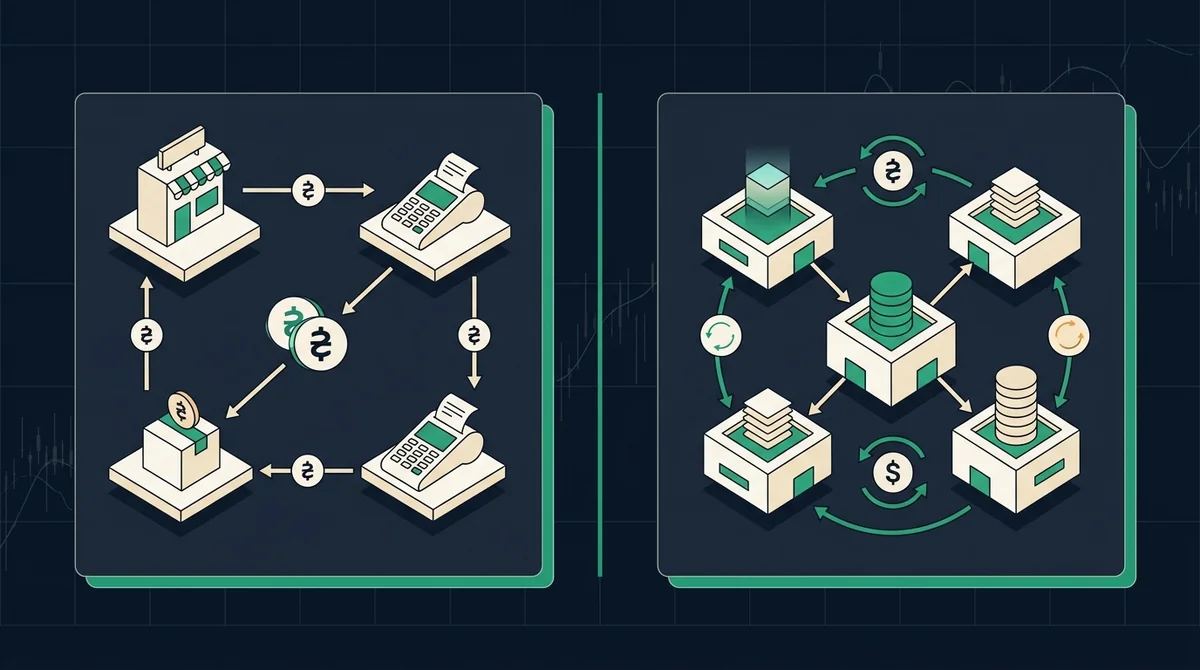
According to Cointelegraph on September 8, 2026, Uzbekistan launched a stablecoin payment pilot backed by government securities and pegged to the Uzbekistani som. Each HUMO token is pegged to 1 Uzbekistani som, testing issuance, circulation and redemption.
Humo Digital is testing HUMO payments with more than 20 merchants under the joint supervision of Uzbekistan's NAPP and the central bank. Asterium, a licensed cryptocurrency exchange, is a partner in the project.
The initial trial will run for 12 months, with a maximum total project duration of three years. The pilot currently involves only payment scenarios, and official information has not disclosed any yield or interest rate mechanism.
How Does a Government Securities-Backed Stablecoin Differ from Common USD Stablecoins?
A government securities-backed stablecoin is similar to a fiat-collateralized stablecoin in collateral structure, but its underlying assets are Uzbekistani government securities rather than USD reserves. HUMO is pegged to the som, so holders need to pay attention to the conversion risk caused by fluctuations in the som/USD exchange rate.
This pilot focuses on payments, not yield farming. Common stablecoin Yield Farming returns usually come from lending, liquidity provision, or staking, which may differ from government bond interest. The Uzbekistan pilot's official information has not disclosed the source of yield, so it cannot be assumed to be directly usable for Yield Farming.
| Dimension | HUMO Pilot Stablecoin | Common USD Stablecoin Yield Scenario |
|---|---|---|
| Peg | Uzbekistani som | Usually pegged to USD |
| Backing | Government securities | Fiat reserves, commercial paper, etc. |
| Main scenario | Merchant payment testing | Lending, liquidity provision, staking |
| Yield disclosed? | No | Depends on specific product |
Checklist for Evaluating Stablecoin Yield Opportunities on OKX
The following steps are intended to help you verify stablecoin-related products on OKX and do not constitute a recommendation of any product.
- After logging into OKX, go to stablecoin-related product pages such as 'Earn' or 'Grow' (or similar), and check the product name, annualized yield rate, lock-up period, and risk level.
- Check whether the product involves the Uzbekistan pilot or a similar government bond stablecoin; if not, do not assume a yield relationship.
- Review the asset collateral/guarantee description, platform fees, redemption time, and minimum participation amount.
- Also note the market volatility backdrop: as of December 30, 2025, BTC was approximately $79,050, ETH approximately $2,494.52, and ZEC approximately $1,235.26 (according to Decrypt).
- Confirm that OKX Radar is an independent third-party media outlet and does not provide trading advice; before taking any action, verify OKX's latest terms and risk disclosures yourself.
Applicable Conditions and Main Risks of Stablecoin Yield Farming
Stablecoin Yield Farming is generally suitable for users who can tolerate principal loss and understand smart contract and platform risks. The Uzbekistan pilot has extremely low initial liquidity: only more than 20 merchants are participating, and it may not be possible to freely trade or redeem.
Main risks include:
- Liquidity risk: the pilot is limited to designated merchants and institutions, and secondary market depth is unknown.
- Exchange rate risk: HUMO is pegged to the som, and fluctuations in the som/USD exchange rate will affect USD-denominated returns.
- Smart contract and platform risk: if AMM or lending protocols are involved, there may be code vulnerabilities or liquidation risk.
- Regulatory risk: the pilot is supervised by NAPP and the central bank, and future rules may change.
This site's independent judgment: there is currently no evidence that OKX has yield products directly related to Uzbekistan's HUMO pilot; interpreting the payment pilot as a Yield Farming opportunity is too premature. For related market background, see this site's discussion on stablecoin cross-border payments and banking infrastructure, and 2026 stablecoin regulation and crypto banking progress.
Short-Term and Long-Term Implications of the Pilot for Stablecoin Holders
In the short term, ordinary users cannot directly participate in the pilot, and should not rush to look for arbitrage opportunities. The pilot only tests payment and redemption processes within a limited range of merchants and institutions.
In the long term, if the pilot expands to public participation and a clear yield mechanism emerges, government bond stablecoins may bring new yield products; but this will require waiting for subsequent official announcements from NAPP and the central bank. Key points to watch include the scope of pilot merchants, whether public participation is opened, whether a yield mechanism emerges, and regulatory updates.
Risk Warning: Crypto/digital asset prices are highly volatile, and information and rules may change at any time. This article does not constitute investment, legal or tax advice. Before making decisions, refer to the latest official announcements and actual product pages.
References and verification links
These are the article-level sources stored with this page. Interpret dynamic facts and rules in light of their dates, regions, and subsequent updates.
FAQ
Is the Uzbekistan HUMO stablecoin pilot already open to ordinary users? ▼
No, it is not open to ordinary users. According to Cointelegraph on September 8, 2026, the pilot is currently being tested by Humo Digital with more than 20 merchants for payments, with participants limited to designated merchants and institutions; the public cannot directly participate yet.
Can a government bond-backed stablecoin be directly used for Yield Farming? ▼
It cannot be directly used for Yield Farming. The pilot's official information has not disclosed any yield or interest rate mechanism, and initially it is limited to payment scenarios, with no actionable yield farming products.
Can HUMO stablecoin be purchased or traded on OKX? ▼
There is currently no public evidence that OKX has listed the HUMO stablecoin. If searching on OKX, verify the product name and underlying assets; if not found, do not assume support.
What is the difference between a stablecoin payment pilot and stablecoin yield farming? ▼
A payment pilot mainly tests issuance, circulation, and redemption, with the goal of payment settlement; yield farming obtains returns through lending, liquidity provision, and similar activities. The Uzbekistan pilot belongs to the former and has not disclosed yield.
How should official information be verified while following this pilot? ▼
Priority should be given to official announcements issued by Uzbekistan's NAPP and the central bank, checking the merchant scope, whether public participation is open, whether there is a yield mechanism, and schedule changes.
What exchange rate risks does a stablecoin pegged to the Uzbekistani som have? ▼
HUMO is pegged to the som, so exchange rate fluctuations of the som against the USD or other fiat currencies will directly affect holders' converted returns; if denominated in USD, currency depreciation may lead to losses.