A Major Brokerage's Layer 2 Chain Goes Live: Crypto Trading and Stock Tokenization Trends
A major brokerage's Layer 2 chain supports crypto trading and stock tokenization; we review its architecture, assets, user experience, and industry convergence.
Article Citation Summary
A major brokerage's Layer 2 chain supports crypto trading and stock tokenization; we review its architecture, assets, user experience, and industry convergence.
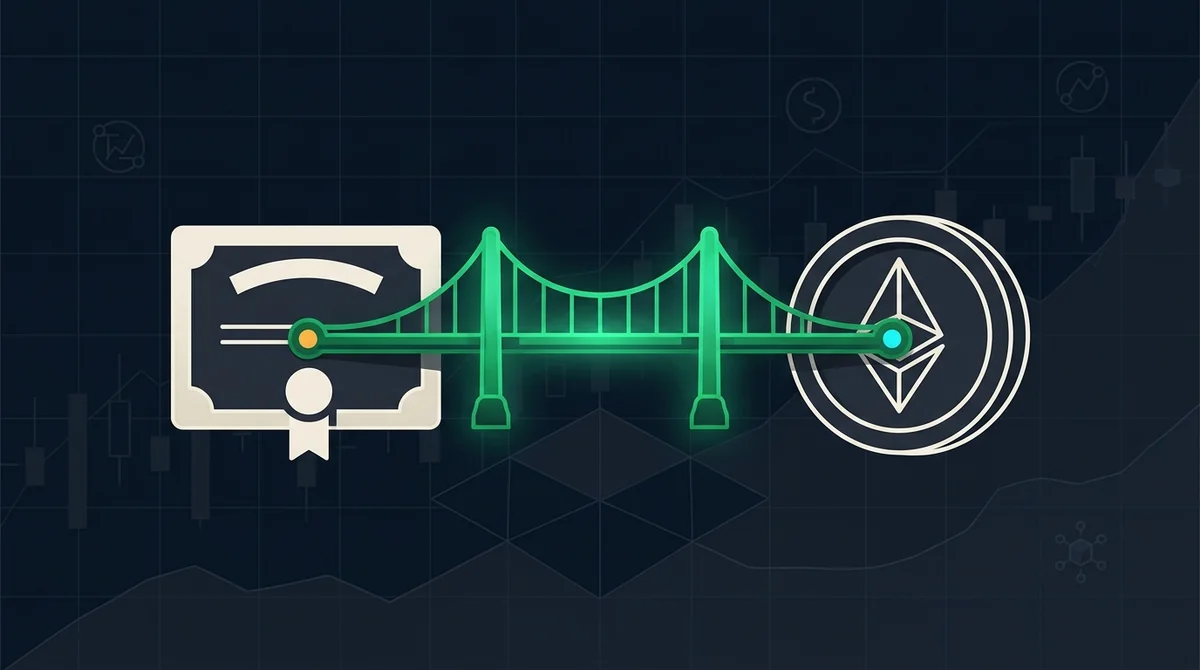
Recently, the Layer 2 chain launched by a major brokerage attracted market attention. The chain is positioned as a permissionless, Ethereum-compatible Layer 2 network designed to bring traditional markets, crypto assets, and real-world assets (RWA) together in a fast, open trading network. Users can trade cryptocurrencies, tokenized stocks, and other assets at any time—for example, Nvidia tokens can be traded at 2 a.m. This move is seen as an important attempt by a traditional brokerage to extend its commission-free trading experience into crypto. Notably, the brokerage had faced some user criticism for suspending trading during the GameStop episode, but that did not affect the launch of this Layer 2 chain or user participation.
Technical Architecture: A Modular Layer 2 Based on Arbitrum
This Layer 2 chain is built on the Arbitrum dedicated blockchain and adopts a modular Layer 2 framework. Its design pays transaction fees via Ethereum (i.e., uses ETH as gas), inherits Ethereum's security, and achieves lower on-chain transaction costs. In plain terms, users enjoy Ethereum's security base without bearing the high interaction costs of the mainnet. This technical combination makes high-frequency, small-value transactions feasible and has attracted a large number of users.
Asset Scope: Stock Tokens Alongside Major Crypto Assets
A notable feature of the chain is bringing traditional securities tokenization and crypto asset trading into the same interface. In addition to major cryptocurrencies such as Bitcoin, Ethereum, Solana, and Dogecoin, users can access stock tokens backed 1:1 by underlying shares, such as tokens for Tesla and Nvidia. Each stock token represents ownership of the corresponding company's shares and can unlock corresponding dividends. This approach allows traditional stock investors to participate in the market in a more flexible, lower-barrier way, and lets crypto users allocate stock exposure with one click.
Hands-on Experience: From Search and Charts to Placing Orders
On the trading experience side, after logging in, users can see a list of tools and assets in the app. Taking Dogecoin as an example, users can view its price chart and observe the past year's trend: it fell from about 27 cents to 8 cents, a less-than-ideal performance. Even so, if investors want to trade, they can still do so directly in the app or add it to a watchlist. Similarly, meme coins such as Pepe are also on the tradable list, with relatively weak performance that day. Another token that recently attracted attention is CashCat, which has been in a downtrend over the past week but showed a notable surge over the past month. Such tokens usually lack intrinsic value and rely more on community discussion and market sentiment.
In the "Crypto" section, users can sort popular assets by daily gain. Data shows CashCat rose about 7% on the day, Zcash rose about 6%, and Maple Finance and Ethereum also posted gains, with Ethereum up about 3%. This sorting feature lets users quickly identify short-term market hotspots, but they should also be aware of the high volatility of meme coins.
Industry Trend: Accelerating Convergence of Traditional Asset Tokenization and Crypto Trading
From an industry perspective, the core significance of this Layer 2 chain is that it combines the "zero-commission trading" model already validated by traditional brokerages with crypto's low cost and permissionless nature. In the past, this brokerage was known for introducing commission-free trading to the stock market; now it is trying to integrate low-cost Ethereum-backed crypto trading and stock tokenization into the same app. This not only lowers the barrier for ordinary users entering crypto but also advances the convergence of traditional financial assets and on-chain assets.
As a content platform that has long followed crypto industry developments, OKX Radar observes that such Layer 2 solutions launched by mainstream financial institutions are accelerating the process of "traditional asset tokenization + crypto trading." While platforms differ in specific product parameters, asset coverage, and compliance arrangements, this direction itself is worth continued tracking. OKX Radar will continue to provide readers with interpretations of relevant technology and market trends, helping investors better understand industry changes.