Stablecoin Market Developments: AllUnity Launches USDAU, Bloomberg Terminal Adds On-Chain Data, Coinbase and Citi Expand Payment Partnership (2026)
AllUnity launched USDAU on six chains; Bloomberg Terminal added an Allium stablecoin dashboard; Coinbase and Citi expanded institutional stablecoin payments.

Article Citation Summary
AllUnity launched USDAU on six chains; Bloomberg Terminal added an Allium stablecoin dashboard; Coinbase and Citi expanded institutional stablecoin payments.
AllUnity Launches USD Stablecoin USDAU: Mechanism and Existing Stablecoin Portfolio
According to a Cointelegraph report dated September 30, 2026, European stablecoin issuer AllUnity launched the USD stablecoin USDAU. USDAU is pegged 1:1 to the US dollar and plans to deploy on six blockchains including Ethereum, Solana, and Base.
AllUnity has previously issued the euro stablecoin EURAU, the Swiss franc stablecoin CHFAU, and the Swedish krona stablecoin SEKAU. As of the report date, CHFAU's market cap is approximately $45 million, and EURAU's market cap is approximately $400,000. USDAU is not the same as USDT or USDC; the issuer, reserve attestation, and compliance framework are all different.
Bloomberg Terminal Adds Stablecoin Dashboard: Data Source and Coverage
According to a Cointelegraph report on the same day, Bloomberg launched a stablecoin dashboard on the Bloomberg Terminal on September 30, 2026. The dashboard is powered by blockchain data platform Allium and covers stablecoins with circulating supply over $100 million, accounting for over 98% of the total market.
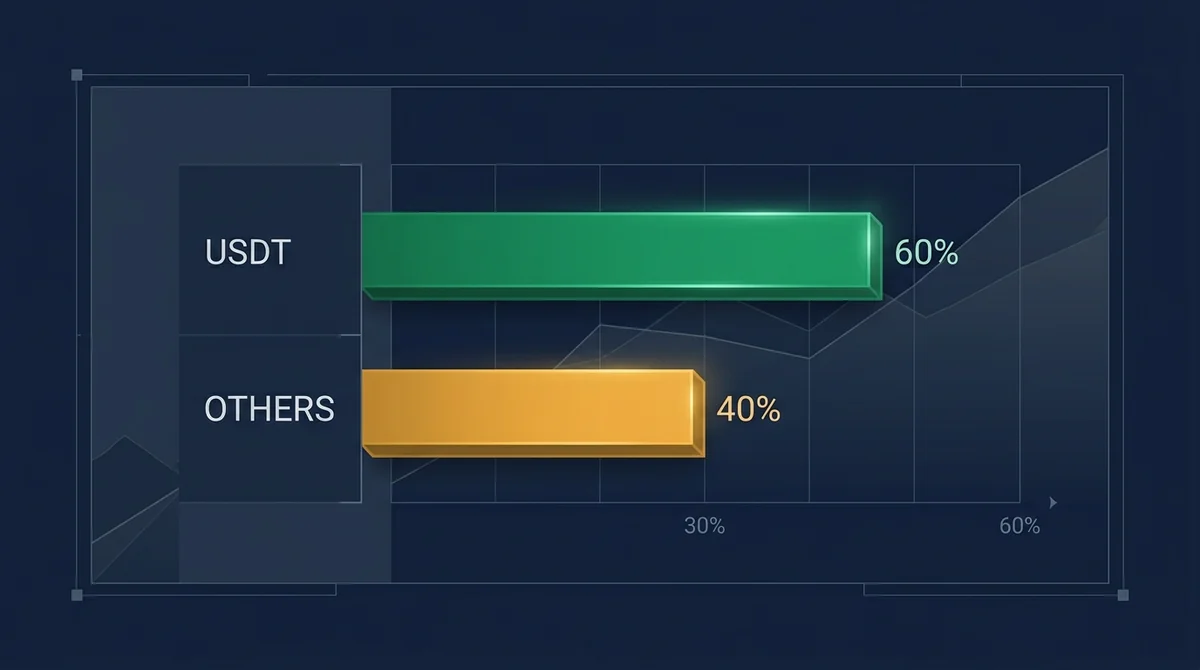
The report also mentioned that the total stablecoin market cap has exceeded $306 billion, with Tether's USDT accounting for about 60% of the total market cap. The dashboard is intended for Bloomberg Terminal users and is a paid professional terminal feature, not directly equivalent to a public free data source.
Coinbase and Citi Expand Stablecoin Payment Partnership: Institutional Settlement Path
According to a Decrypt report dated September 28, 2026, Coinbase and Citi expanded their partnership, allowing Citi institutional clients to accept stablecoin payments through Spring by Citi. In the partnership workflow, Coinbase converts stablecoins to fiat, and Citi acts as the bank of record for settlement.
This partnership is explicitly targeted at institutional clients; specific participation thresholds, supported regions, and supported assets are subject to official disclosures. Ordinary users cannot directly enjoy the same services or rates, and it does not mean that OKX will offer the same functionality.
How to Verify These Stablecoin Developments
- Check AllUnity's official announcement: Visit AllUnity's official website or official social media accounts to confirm USDAU's deployment chains, reserve attestation, and audit status.
- Review the Bloomberg Terminal Allium data page: Confirm the stablecoin dashboard's coverage, data latency disclosures, and exportable fields.
- Consult Coinbase and Citi's official announcements: Confirm Spring by Citi's supported regions, supported assets, institutional client thresholds, and settlement process.
- Check OKX's official announcements: Confirm whether OKX supports deposits, withdrawals, and trading for USDAU or related stablecoins; this article does not pre-fill unverified support information.
- Track liquidity data: Observe USDAU's initial on-chain liquidity, exchange channels, and compliance status; remain prudent with newly launched stablecoins.
Impact on Stablecoin Users and Follow-Up Observations
The three developments: USDAU is a new product issuance, the Bloomberg dashboard is an institutional-grade data tool, and the Coinbase-Citi partnership is institutional payment infrastructure. In the short term, the direct impact of these three on ordinary stablecoin holders is limited; USDAU's initial liquidity and reserve transparency have not been verified over a long period, and its risk is higher than that of mature stablecoins.
The Bloomberg dashboard may enhance institutional monitoring of the stablecoin market but does not change on-chain transaction rules. Follow-up should focus on USDAU's actual deployment progress, liquidity depth, and compliance details disclosed by each partner.
Risk Warning: Crypto/digital asset prices are highly volatile, and information and rules may change at any time. This article does not constitute investment, legal, or tax advice. Decisions should be based on the latest official announcements and actual product pages.
References and verification links
These are the article-level sources stored with this page. Interpret dynamic facts and rules in light of their dates, regions, and subsequent updates.
FAQ
What is the difference between USDAU and USDT or USDC? ▼
USDAU is a USD stablecoin launched by AllUnity on September 30, 2026; USDT and USDC are mature USD stablecoins issued by Tether and Circle, respectively. The public reports cited in this article do not provide details on the reserve composition, audits, and compliance frameworks of the three, so it is necessary to consult each issuer's official disclosures separately and not judge risk based solely on the name.
Can ordinary users view the Bloomberg Terminal stablecoin dashboard? ▼
The Bloomberg Terminal dashboard is a paid professional feature of the Bloomberg Terminal and is not freely available to ordinary users. If ordinary users need similar data, they can follow public data from Allium or the project parties, but they cannot directly use the dashboard.
Will the Coinbase-Citi partnership make stablecoin payments more widespread? ▼
This partnership mainly targets institutional clients and will not directly change the stablecoin usage experience for ordinary users in the short term. It may increase institutional acceptance of stablecoin settlement, but the extent of adoption depends on supported regions, supported assets, and compliance thresholds.
Why is the market cap of AllUnity's euro stablecoin EURAU so low? ▼
According to Cointelegraph, AllUnity's EURAU has a market cap of approximately $400,000, far below CHFAU's approximately $45 million; the report did not specify the reason. It may be affected by issuance time, use cases, liquidity, or market acceptance, but this should be based on the project's disclosures.
Should ordinary users adjust their stablecoin holdings because of this news? ▼
Holdings should not be adjusted based solely on a single piece of news. USDAU is a brand-new stablecoin, and its initial liquidity and reserve transparency have not yet been verified; neither the Bloomberg dashboard nor the Coinbase-Citi partnership directly changes the risk profile of existing stablecoins. Any adjustment should be made after verifying official information and assessing your own risk tolerance.