Ancient Wallet Turns $120 into $3 Million, Strategy Sells Low and Buys Back Higher, and Bitcoin ETFs See $3.8 Billion in Three-Week Net Inflows (2026)
Using September 2026 public data, this article covers an ancient wallet's value rise, Strategy's trades, and $3.8B in 3-week US spot Bitcoin ETF net inflows.

Article Citation Summary
Using September 2026 public data, this article covers an ancient wallet's value rise, Strategy's trades, and $3.8B in 3-week US spot Bitcoin ETF net inflows.
As of around September 5, 2026, an ancient Bitcoin wallet's value rose from $120 to $3 million; Strategy sold 6,916 BTC between late June and mid-August 2026 and then repurchased 4,603 BTC at a higher average price; and U.S. spot Bitcoin ETFs recorded $3.8 billion in net inflows over the past three weeks. This article uses verified sources to explain the background, market implications, and general methods for safely buying Bitcoin, and does not constitute investment advice.
Ancient Wallet Awakens: How $120 Became $3 Million
According to a Decrypt report dated September 5, 2026, an ancient Bitcoin wallet awakened and its value grew from $120 to $3 million. Current public information only confirms the value change and does not verify whether the address has sold or realized gains. When writing about this, it is necessary to distinguish between a dormant wallet address waking up and actually selling to realize gains.
Known Timeline of the Wallet's Value Change
As of September 5, 2026, the wallet's book value had risen from $120 to $3 million. The source only provides the value change result and does not disclose the specific coin amount, purchase price, or address details. When readers see similar news, they should first confirm whether there is first-hand on-chain data to verify.
Implications for Ordinary Holders
This case shows that long-inactive addresses may see significant book gains during Bitcoin price upcycles, but survivorship bias exists. The gains of a single address cannot be treated as a short-term trading template or used to derive any promise of returns.
Strategy's 'Sell-the-Bottom Buyback': Reconstructing the 6,916 BTC Sale and 4,603 BTC Repurchase
According to Decrypt's September 3, 2026 Morning Minute report, Strategy sold 6,916 BTC in four batches between late June and mid-August 2026 at a weighted average price of about $62,200; last week it repurchased 4,603 BTC at an average price of $80,318. CEO Phong Le said on Bloomberg Crypto that selling Bitcoin to pay STRC dividends and repurchasing because the MSTR premium recovered were both correct decisions. Strategy currently holds 845,050 BTC, worth about $65.4 billion.
Sale and Repurchase Batches, Average Prices, and Time Periods
The sales took place between late June and mid-August 2026, in four batches, with a weighted average price of about $62,200. The repurchase occurred last week at an average price of $80,318. This operation is often described simply as 'selling low and buying high,' but it needs to be understood in the context of Strategy's own dividend payment and premium management needs.
CEO's Assessment of the Trades and Current Holdings
CEO Phong Le believes both steps were correct decisions. As of September 3, 2026, Strategy held 845,050 BTC, worth about $65.4 billion at the then-current price. This holding figure comes from Decrypt's report and may change later. For more background on this operation, see our site's Detailed Analysis of Strategy's Sale and Repurchase.
Bitcoin ETF Three-Week Net Inflows of $3.8 Billion: Which Products Are Attracting Money
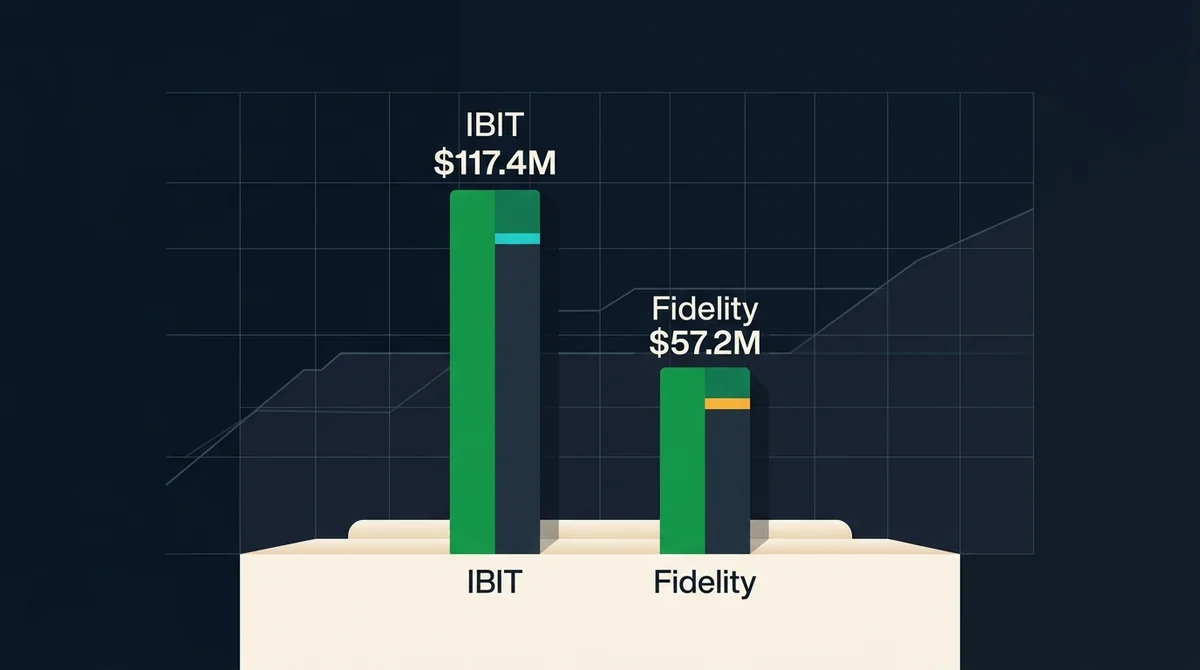
According to a Cointelegraph market report dated September 5, 2026, U.S. spot Bitcoin ETFs recorded $3.8 billion in net inflows over the past three weeks, the strongest three-week performance so far in 2026. Among them, BlackRock's iShares Bitcoin Trust (IBIT) saw net inflows of $117.4 million on Friday, accounting for about 67% of the day's total net inflows; the Fidelity Wise Origin Bitcoin Fund saw net inflows of $57.2 million on the same day.
Three-Week Inflow Time Span and Total Size
The 'past three weeks' period ends around September 5, 2026, with cumulative net inflows of $3.8 billion. This data reflects phased capital allocation and cannot be directly equated with the direction of Bitcoin's price. Day-by-day data is needed to judge the pace more accurately.
Single-Day Fund-Level Inflow Distribution
In Friday's data, IBIT contributed about 67% of the day's total net inflows, while the Fidelity Wise Origin Bitcoin Fund saw $57.2 million. These two products were the main representatives of that day's inflows. For more ETF fund flows, see Bitcoin ETF Single-Day Fund Flows and BlackRock's Contribution.
General Principles for Holding and Buying Bitcoin from These Three Events
The three events correspond to three types of signals: long-term storage risk, institutional position adjustments, and ETF fund flows. The ancient wallet case does not prove short-term returns; Strategy's operations include its own dividend and premium management needs; ETF inflows reflect allocation demand during a particular phase.
Before making any buy or sell decision, verify the date, price basis, and original source. Old data can only serve as historical information and cannot automatically replace the current year. Without a reliable source, specific figures should not be added.
How to Safely Buy Bitcoin: An Operational Checklist Without Presupposed Returns
If readers need to buy Bitcoin, the following steps provide only a general operational framework and do not involve any specific platform fees or return promises.
Choose a Compliant Channel and Complete Identity Verification
- Only deposit fiat currency and complete identity verification through licensed or registered platforms.
- Do not deposit funds through informal channels or unfamiliar links to avoid risks to funds and personal information.
Choosing Between a Self-Custody Wallet and Exchange Custody
- Depending on your needs, choose exchange custody or a self-custody wallet.
- If using a self-custody wallet, back up your seed phrase and keep it safe; enable two-factor authentication.
Placing Orders, Reviewing, and Security Habits
- Before placing an order, check the price, quantity, and network; do not use absolute return expectations to guide your actions.
- For any platform's security features, supported regions, and fee terms, refer to the official latest page and do not pre-fill unverified figures.
References and verification links
These are the article-level sources stored with this page. Interpret dynamic facts and rules in light of their dates, regions, and subsequent updates.
FAQ
Why did the ancient wallet grow from $120 to $3 million? ▼
The book value increase mainly comes from the overall rise in Bitcoin's price during the long holding period. The Decrypt report only confirms the value change and does not disclose the specific coin amount or purchase timing, so the exact source of gains cannot be determined, and it cannot serve as a basis for short-term returns.
Why did Strategy repurchase at a higher average price after selling? ▼
According to Decrypt's September 3, 2026 report, Strategy sold some Bitcoin to pay STRC dividends and later repurchased because the MSTR premium recovered. CEO Phong Le said both steps were correct decisions, reflecting its own holdings and premium management needs.
What does $3.8 billion in three-week net inflows into U.S. spot Bitcoin ETFs mean? ▼
This is the strongest three-week net inflow so far in 2026, indicating strong phased allocation demand. Cointelegraph reported this data on September 5, 2026, but inflows cannot directly predict Bitcoin's price direction; it is necessary to combine daily fund flows and price changes to judge.
Can ordinary people still safely buy Bitcoin now? ▼
Yes, but you should first verify the channel. Only deposit fiat currency and complete identity verification through licensed or registered platforms; if using a self-custody wallet, back up your seed phrase and enable two-factor authentication. Before placing an order, check the price, quantity, and network, and do not use return promises to guide your actions.
What is the difference between buying a spot ETF and holding Bitcoin directly? ▼
A spot ETF provides indirect exposure through a securities account, and investors do not directly manage private keys; holding Bitcoin directly requires managing private keys yourself or choosing a custody service. The two may differ in tax, fees, and withdrawal rules, and specific rates and supported regions should be based on the product issuer's or platform's official page.
What is the data timeliness and verification standard of this article? ▼
The data in this article is as of around September 5, 2026. The ancient wallet value change comes from Decrypt's September 5, 2026 report; Strategy's trades and holdings come from Decrypt's September 3, 2026 report; the ETF three-week net inflows come from Cointelegraph's September 5, 2026 report. Market data may change, and readers should verify the original source dates.