Why Ethereum Rose: Spot ETF Inflows, U.S. Treasury Buybacks, and Regulatory Moves Push Price Above $2,400 in 2026
Ether rose nearly 30% weekly above $2,400 in late August 2026 on spot ETF inflows, Treasury buyback expansion, and CLARITY Act calls; data is dated, not advice.

Article Citation Summary
Ether rose nearly 30% weekly above $2,400 in late August 2026 on spot ETF inflows, Treasury buyback expansion, and CLARITY Act calls; data is dated, not advice.
In the week through August 21, 2026, Ether rose nearly 30%, breaking above $2,400. Public reports during the same period show direct or indirect drivers including: notable net inflows into U.S. spot Ether ETFs (ETHA saw a single-day inflow of $173.3 million on August 20, with combined net inflows into spot Bitcoin and Ether ETFs of $825.8 million), the U.S. Treasury announcing a doubling of some long-term bond buybacks to support Treasury market liquidity, and Trump calling on Congress to advance the CLARITY Act. The following breakdown is based on public sources; all data is time-stamped and sourced, and does not constitute investment advice.
Ethereum Price Action and Timing of the Rally
According to CoinTelegraph's market report on August 21, 2026, Bitcoin briefly broke above $79,000 on Friday, with a weekly gain of more than 23%; Ether rose nearly 30% over the same period to above $2,400. The report linked the rally to three news catalysts: spot ETF inflows, the U.S. Treasury doubling some long-term bond buybacks, and Trump urging Congress to advance the CLARITY Act while reiterating the possibility of large-scale government Bitcoin purchases.
It should be noted that this article relies solely on the above public reports at the time of writing; the precise ETH/USD price time series and the exact moment it broke above $2,400 should be based on exchange or professional market terminal records as of the publication date. The figures are used only to describe the magnitude of the trend and should not be used as a trading basis.
Spot Ether ETF Inflows: August 20 Data and Interpretation

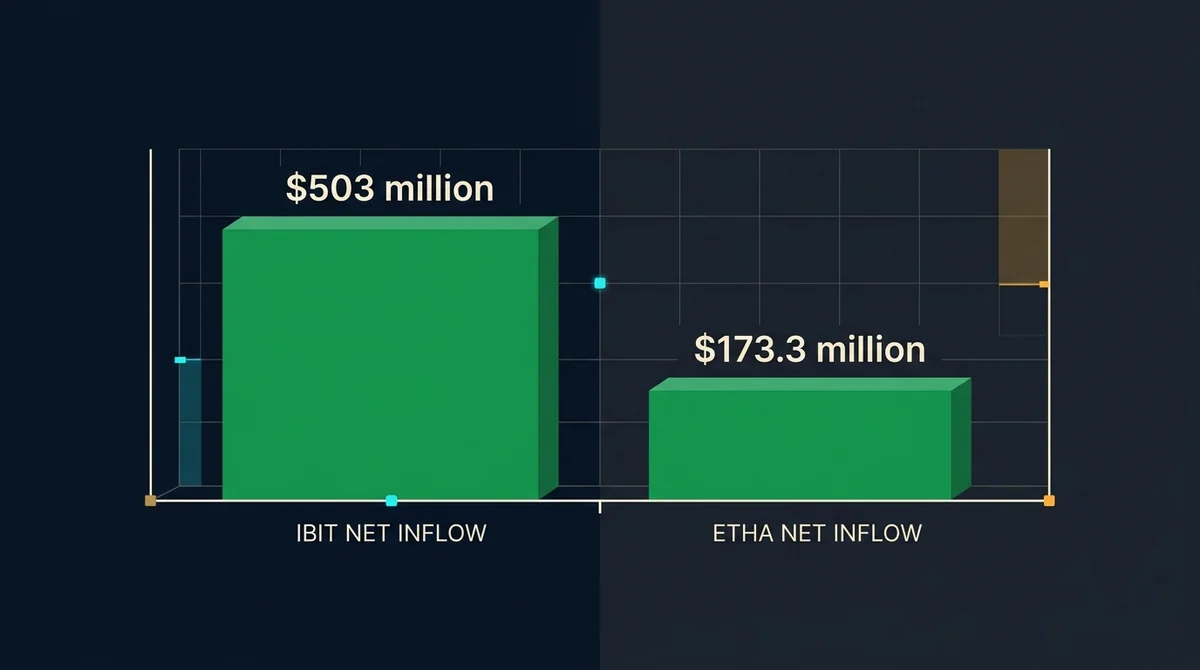
The most directly citable data comes from NewsBTC reporting on August 21, 2026. It reported that on August 20, U.S. spot Bitcoin and Ether ETFs posted combined net inflows of $825.8 million; among them, BlackRock's spot Bitcoin ETF IBIT recorded net inflows of $503 million, and the spot Ether ETF ETHA recorded net inflows of $173.3 million.
This shows that spot Ether ETFs saw notable net inflows on that day. Net inflows typically mean authorized participants (APs) subscribe for ETF shares in the primary market, and issuers need to buy the underlying ETH accordingly, adding to spot buying pressure. Net inflows are not total trading volume, nor do they equal assets under management; they reflect net new capital. Note, however, that this is single-day data and NewsBTC is a secondary source; a more rigorous approach is to check ETF issuers' daily disclosure documents or SEC filings.
Bitcoin ETF Inflows and Broader Crypto Risk Appetite
The same NewsBTC report shows that BlackRock's spot Bitcoin ETF IBIT took in $503 million on August 20, notably higher than ETHA's $173.3 million. Over the same period, Bitcoin gained more than 23% for the week, while Ether gained nearly 30% (CoinTelegraph, August 21). This indicates an overall recovery in risk appetite rather than an Ether-specific move.
In addition, CNBC reported on August 21 that traders on the prediction market Kalshi expected Bitcoin to be around $75,000 by the end of 2026, while Bitcoin was then trading above $77,000. This gap may reflect doubts among some participants about whether the short-term rally can continue, but it does not change the fact of that day's inflows. The performance difference between BTC and ETH may stem from differences in ETF flows, on-chain activity, or market narratives, but public reports do not provide a full attribution.
U.S. Treasury Bond Buybacks: How Liquidity Expectations Feed Into Crypto Assets
The CoinTelegraph report on August 21 noted that the U.S. Treasury announced it would double some long-term bond buybacks to support Treasury market liquidity, which boosted risk appetite and helped lift crypto markets. By buying back old debt and issuing new debt, the Treasury can improve secondary-market liquidity for Treasuries, compress term premiums, and indirectly benefit stocks and crypto assets through risk-asset valuation models.
To be clear, this transmission chain is not direct. Details of the buyback doubling (such as tenors, operation dates, and total amounts) should be based on the official U.S. Treasury announcement; this article does not have more specific public figures. In the near term, this is a shift in market sentiment driven by expectations of looser liquidity, not a fundamental change.
CLARITY Act and Regulatory Developments
Also from CoinTelegraph's August 21 report, U.S. President Trump called on Congress to advance the CLARITY Act and reiterated the possibility of large-scale government Bitcoin purchases. If the CLARITY Act makes substantive progress, it may improve the compliance profile of crypto assets and strengthen institutional confidence, indirectly affecting the Ethereum ecosystem.
However, as of that report, the CLARITY Act had not reached the signed-into-law stage; the bill's final provisions, scope, and passage timing remain uncertain. This article treats regulatory developments as sentiment factors and does not view them as direct causal evidence.
Risk Disclosure and Data Verification Checklist
All dynamic data in this article comes from public reports published on August 21, 2026, and may have changed. Before publication, it is advisable to verify the following sources: ETF issuers' official disclosures, U.S. Treasury press releases, U.S. Congress bill pages, and professional crypto data platforms. As an independent third-party media outlet, OKX Radar only provides logical analysis based on public information and does not offer investment advice. Readers who intend to act on this article should consult licensed professionals.
For a closer look at the simultaneous Bitcoin rally, read the on-site article Why Bitcoin Rose: U.S. Treasury Buybacks and Trump's Crypto Legislation Push Prices Above $77,000 in 2026.
References and verification links
These are the article-level sources stored with this page. Interpret dynamic facts and rules in light of their dates, regions, and subsequent updates.
FAQ
Why did Ethereum rise today? ▼
As of public reports on August 21, 2026, Ether rose nearly 30% in a week and broke above $2,400, driven mainly by news such as spot ETF inflows, the U.S. Treasury doubling some long-term bond buybacks, and Trump calling for the CLARITY Act; see source notes in the article, not investment advice.
Where can I check Ether spot ETF inflow data? ▼
Check ETF issuers' official daily disclosures, SEC filings, or professional data providers. The August 20 data cited in this article comes from NewsBTC reporting on August 21, in which ETHA had net inflows of $173.3 million; verify the original disclosures before use.
Will U.S. Treasury bond buybacks directly push up Ether prices? ▼
No, they will not directly push prices up. Buybacks mainly improve Treasury market liquidity and boost risk appetite, indirectly benefiting crypto assets; the transmission chain is indirect, and details from official announcements and policy follow-through should be watched.
Has the CLARITY Act passed? What is its impact on Ethereum? ▼
As of the August 21, 2026 public reports, the CLARITY Act is at the stage of presidential urging for progress and has not been confirmed as signed into law; if passed later it may improve compliance expectations, but there is currently no direct causal evidence with ETH prices.
When is the data in this article current as of? ▼
Main data is current as of August 21, 2026 (the publication date of the source reports), citing NewsBTC, CNBC, and CoinTelegraph reports published that day; dynamic data may change, so please refer to the latest official disclosures.