Bitcoin ETF Outflows, ESMA Stablecoin Rules and Surging Stablecoin Use in Asia: Three Hot Topics in the 2026 Crypto Market
This article reviews Bitcoin ETF net outflows, the ESMA stablecoin deadline, and surging stablecoin adoption in Asia based on October 8, 2026 public data.

Article Citation Summary
This article reviews Bitcoin ETF net outflows, the ESMA stablecoin deadline, and surging stablecoin adoption in Asia based on October 8, 2026 public data.
US Spot Bitcoin ETFs See $484.9 Million in Single-Day Net Outflows: Which Products Led the Decline?
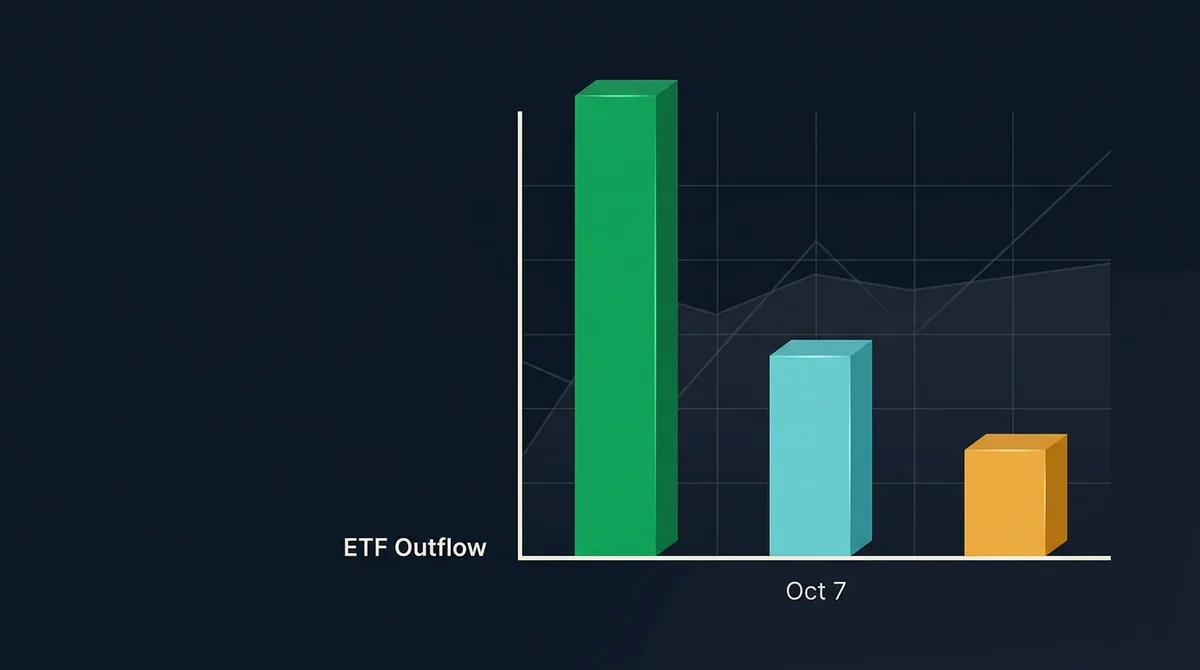
How Large Were the Net Outflows on October 7?
According to NewsBTC on October 8, US spot Bitcoin ETFs recorded combined net outflows of $484.9 million on October 7, 2026. This is a single-day net outflow and does not by itself indicate a reversal of the longer-term trend. The flows can be understood alongside Bitcoin prices and trading volumes; for example, the site already published Bitcoin Near $80,000: US CPI at 3.4% YoY, 30Y Yield at a New High and ETF Outflows of $282.6 Million, which provides recent context.
What Were the Outflows for BlackRock, Fidelity, and ARK?
The same report disclosed product-level data, summarized below:
| Product | Issuer | Net Outflow on October 7 (USD) |
|---|---|---|
| IBIT | BlackRock | $207.7 million |
| FBTC | Fidelity | $105.1 million |
| ARKB | ARK | $101.7 million |
The three products above accounted for approximately $414.5 million in combined outflows, with the remainder coming from other spot Bitcoin ETF products.
What Does This Outflow Mean for Market Sentiment?
OKX Radar independent view: Single-day ETF outflows only reflect same-day risk aversion or rebalancing in fund flows and cannot alone support a conclusion that the trend has reversed. Investors should also consider prices, trading volume, macroeconomic data and subsequent multi-day flows before drawing conclusions, and avoid over-extrapolating from one day of data.
ESMA Stablecoin Rules: Stop Services Involving Non-MiCA-Compliant Stablecoins by January 8, 2027
What Are the Core Requirements of the ESMA Opinion?
According to Cointelegraph on October 8, ESMA issued an opinion requiring EU crypto-asset service providers to stop providing services involving non-MiCA-compliant stablecoins to EU customers by January 8, 2027. This requirement is part of the EU crypto-asset regulatory framework, includes a clear transition period, and does not take effect immediately.
Which Services Will Be Affected?
Affected services include holding, trading, and transferring. The determination of 'non-MiCA-compliant stablecoins' is subject to the latest documents from ESMA or relevant regulators.
What Should EU Users and Crypto-Asset Service Providers Pay Attention To?
EU users should check whether the stablecoins they hold fall within the MiCA compliance scope and understand service providers' adjustment arrangements before January 8, 2027. Service providers also need to plan compliance migration paths in advance. For the connection between stablecoin regulation and banking and payment infrastructure, see Stablecoin Acceleration in 2026: The G7 Stablecoin Alliance of 21 Banks, Kast Business Platform, and Singapore MAS Regulatory Progress.
Asian Stablecoin Use Surges: China P2P Wallets Up 43x, South Korea Becomes East Asia's Largest Crypto Economy
What Are the Key Changes in China's P2P Stablecoin Transaction Data?
According to Cointelegraph Magazine on October 8, citing Chainalysis data, the number of unique wallets participating in P2P stablecoin transactions in China increased 43-fold from Q1 2024 to Q2 2026. During that period, China's self-custodied stablecoin transfer volume totaled $104.1 billion. This statistic reflects wallet numbers and on-chain transfer scale, not the number of users or transactions.
How Large Is South Korea's Crypto Economy?
According to the same report, Chainalysis ranks South Korea as the largest crypto economy in East Asia, with a crypto economy size of $449.1 billion, up 12.3% year over year. This figure comes from a third-party research firm and may differ from official statistics.
What Signal Does Standard Chartered's Singapore Custody Plan Send?
Standard Chartered announced plans to launch digital asset custody services in Singapore for institutional clients, including certain cryptocurrencies, stablecoins and tokenized real-world assets. The plan targets institutional clients, so retail users should distinguish between institutional moves and services available to individuals. For recent Standard Chartered digital asset developments, see also Standard Chartered Launches Bitcoin Trading in the UAE; Billionaire Warns of Fiat Inflation as a Hidden Tax in 2026.
Implications and Time Windows for Ordinary Crypto Users
How Should EU Users Respond to the Stablecoin Rules?
EU users should confirm the MiCA compliance status of stablecoins they hold before January 8, 2027 and continue to monitor service provider announcements. If they cannot confirm compliance, they should consult official documents from ESMA or the relevant national regulator rather than rely on second-hand interpretations.
What Practical Impact Does Growing Stablecoin Adoption in Asia Have on Users?
Growing stablecoin use in Asia shows expanding demand for cross-border payments and self-custody scenarios, but regulatory attitudes may differ by country and region, so one cannot conclude that a particular region or individual can use them without risk. When institutional custody services are involved, it is even more important to distinguish between institutional business and retail products.
How to Verify These Three Hot Topics Yourself?
- Check US spot Bitcoin ETF flows: visit NewsBTC's October 8 report or the corresponding date data from major ETF issuers and authoritative market data sources to confirm product-level details.
- Check the ESMA official opinion: rely on the latest documents from ESMA or relevant regulators to verify the MiCA stablecoin transition period, compliance scope, and the January 8, 2027 service cutoff requirement.
- Check Chainalysis data definitions: review the Chainalysis report cited in the Cointelegraph Magazine article to confirm the statistical period is Q1 2024 to Q2 2026, and note that third-party statistical definitions may differ from official data.
This article was compiled by the OKX Radar editorial team. Information is current as of October 8, 2026.
Risk warning: Crypto/digital asset prices are highly volatile, and information and rules may change at any time. This article does not constitute investment, legal, or tax advice. Decisions should be based on the latest official announcements and actual product pages.
References and verification links
These are the article-level sources stored with this page. Interpret dynamic facts and rules in light of their dates, regions, and subsequent updates.
FAQ
How much did US spot Bitcoin ETFs see in net outflows on October 7, 2026? ▼
According to NewsBTC on October 8, US spot Bitcoin ETFs recorded combined net outflows of $484.9 million that day. This is a single-day net outflow and cannot be directly equated with a reversal of the long-term trend.
How much did BlackRock IBIT, Fidelity FBTC and ARKB each see in outflows? ▼
According to NewsBTC, BlackRock's IBIT saw $207.7 million in net outflows, Fidelity's FBTC saw $105.1 million, and ARK's ARKB saw $101.7 million.
When does the ESMA stablecoin rule require stopping services involving non-MiCA-compliant stablecoins? ▼
According to Cointelegraph on October 8, ESMA requires EU crypto-asset service providers to stop providing services involving non-MiCA-compliant stablecoins to EU customers by January 8, 2027.
How much did the number of China P2P stablecoin wallets grow? ▼
According to Cointelegraph Magazine citing Chainalysis data, the number of unique wallets participating in P2P stablecoin transactions in China increased 43-fold from Q1 2024 to Q2 2026.
How large is South Korea's crypto economy? ▼
According to Chainalysis data, South Korea is ranked as the largest crypto economy in East Asia, with a crypto economy size of $449.1 billion, up 12.3% year over year.
Which clients are targeted by Standard Chartered's digital asset custody plan in Singapore? ▼
The plan targets institutional clients and will custody selected cryptocurrencies, stablecoins, and tokenized real-world assets. Retail users should distinguish between institutional moves and services available to individuals.